Rural Development
Why
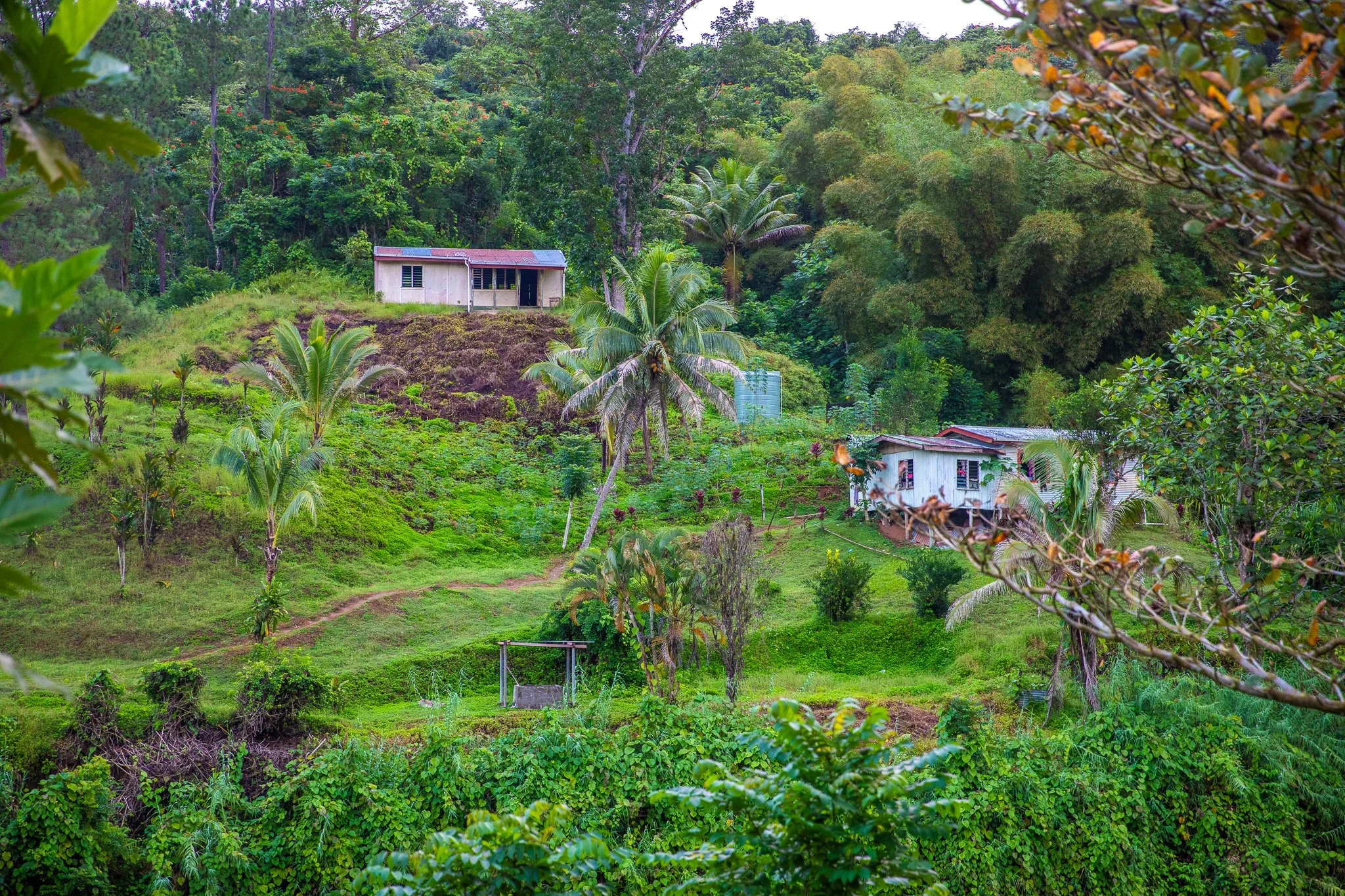
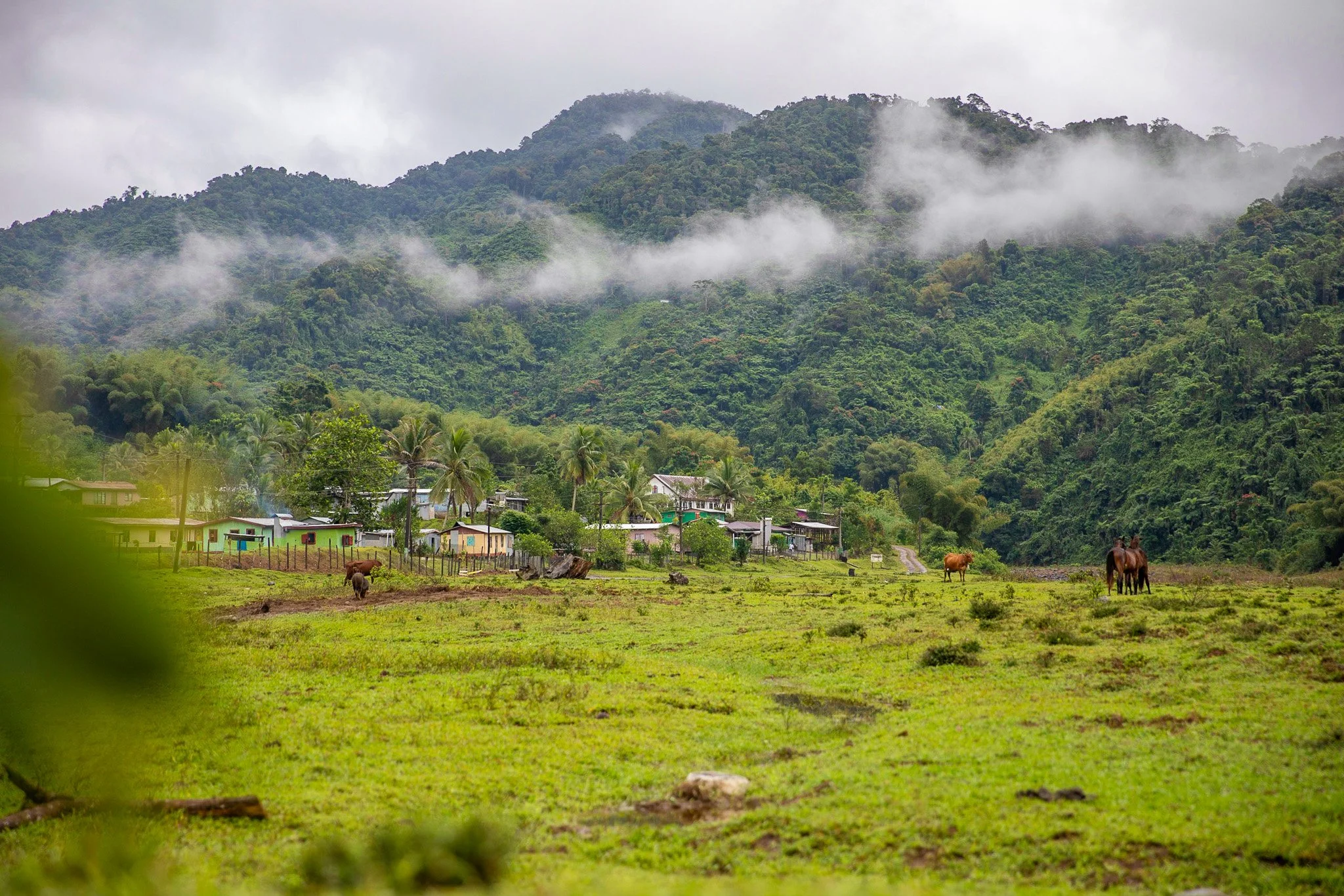
Over half of Fiji’s people live in rural and maritime communities; places which are rich in culture, heritage and natural resources, yet are often facing greater barriers to opportunity. As Fiji moves towards a prosperous and resilient future, the latest National Development Plan emphasises that rural areas must not be left behind but instead should be positioned the forefront of national focus.
In these communities, young people are the most valuable resource: they possess the drive to learn, to lead, to build livelihoods rooted in tradition whilst being grounded in 21st-century skills. Yet, they often they lack the connectivity, infrastructure, training, mobility and cultural platforms that turn that potential into impact.
The National Development Plan articulates three pillars: economic resilience, people empowerment and good governance. It makes clear that sustainable development means ensuring everyone is part of the journey.
By investing in rural youth and rural communities through enabling pathways to education, mobility (within Fiji and beyond) and meaningful livelihoods that honour culture and community, we hope to unlock multiple wins.
Our Work
Methodology
Since 2009
The Think Pacific Foundation actively supports sustainable rural development in Fiji by empowering youth local communities through comprehensive outreach programmes, targeted health initiatives and infrastructure projects. We closely and collaboratively with rural villages and governance boards to identify key challenges faced by these communities and co-design practical, culturally appropriate solutions that invest in young people, improve health infrastructure and promote widespread health awareness.
Through dynamic youth-led programmes and strategic partnerships, we facilitate skill development and leadership training, fostering a strong sense of self-reliance and building long-term community resilience. Their holistic approach prioritises environmental sustainability and deep cultural respect, ensuring that all development efforts align seamlessly with local traditions while promoting environmental conservation. By effectively bridging gaps in education, infrastructure and resources, the Foundation aims to make a meaningful contribution to improved quality of life and expanded economic opportunities in Fiji's rural areas.
Our Primary Strategies
Infrastructure Development
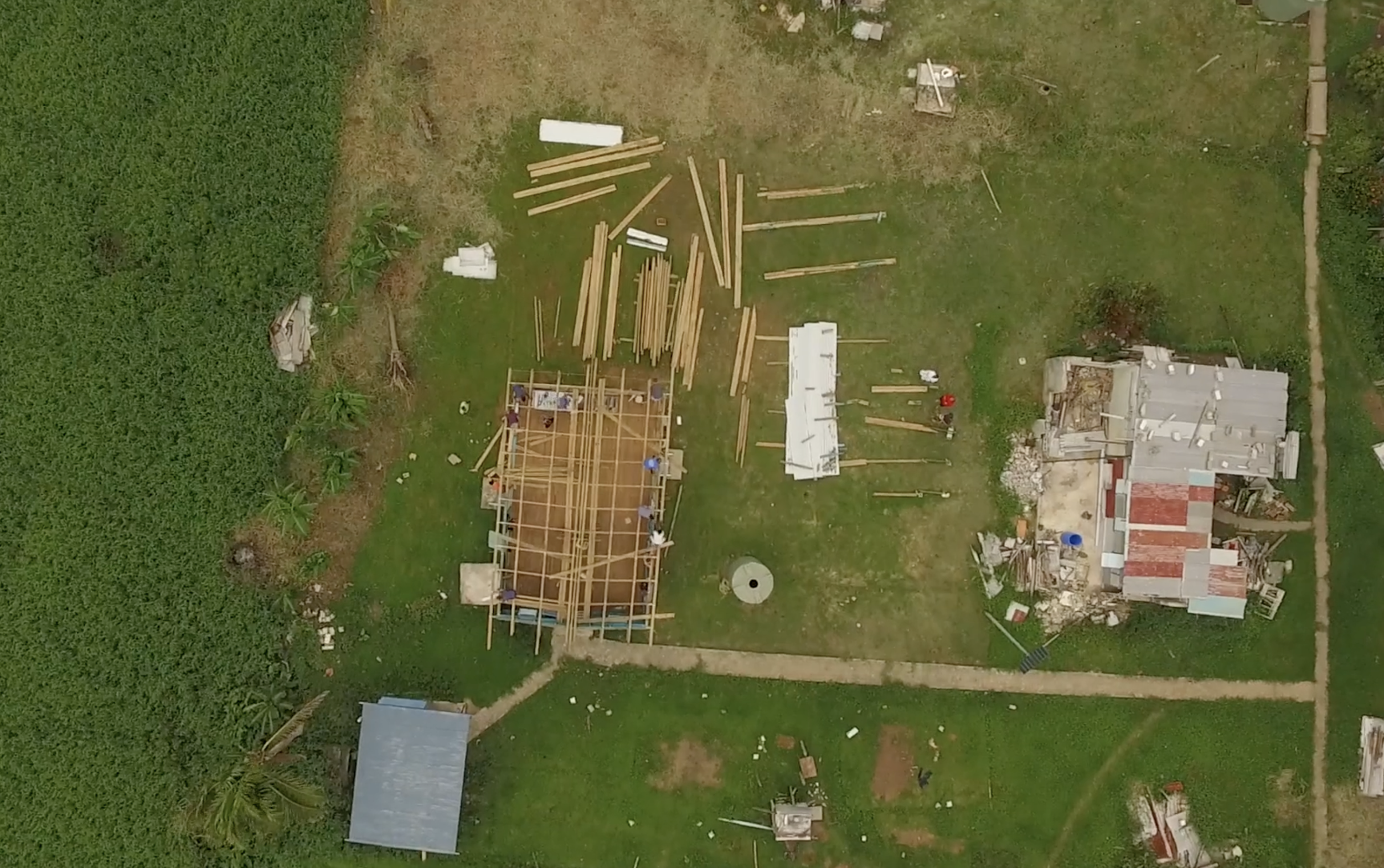
From kindergartens, community halls to local health dispensaries
Each project intentionally includes local youth who join the build as unskilled workers, gaining hands-on experience in construction, teamwork, and project delivery. Through on-site mentorship and practical training, these young people acquire skills that remain in the community long after the ribbon is cut, enabling ongoing maintenance, local employment, and a sense of shared ownership.
In this way, every structure we complete is both a place that serves the community and a classroom that strengthens it, ensuring that the foundation of resilience in rural Fiji is built not only in concrete and timber, but in people.
Youth Empowerment
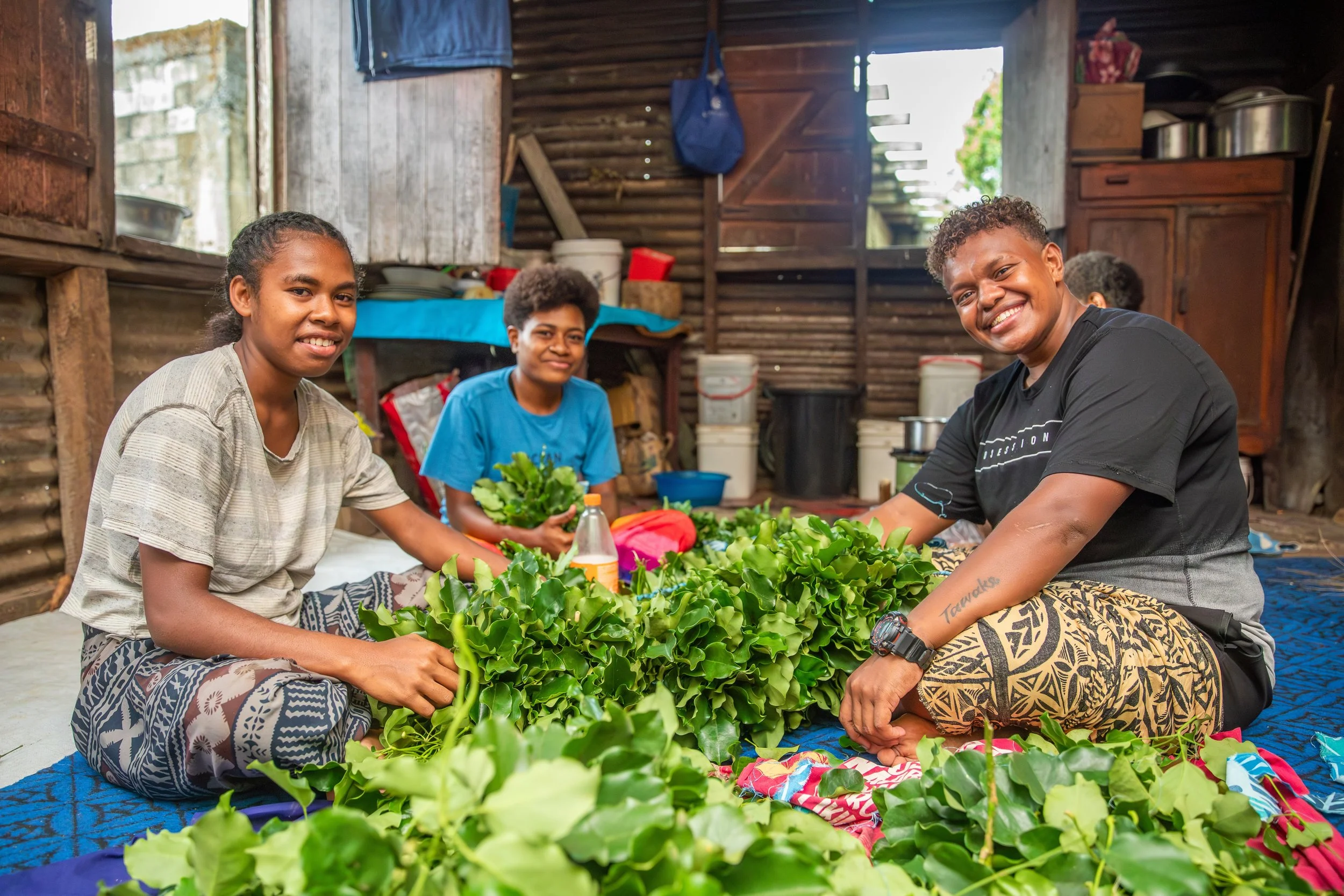
Sustainable change happens when young people are supported to lead it. Across Fiji’s rural and remote communities, our programmes bring together local youth, international participants, and community leaders to build practical skills, confidence, and agency.
Through workshops in leadership, communication, public health, climate awareness, enterprise and traditional skills, young Fijians gain the tools to contribute actively to village planning, community projects, and long-term development goals. Many take on responsibilities in local committees, support school activities, help maintain community buildings, or lead sports and wellbeing initiatives.
By intentionally linking youth programmes with infrastructure projects and village development plans, we ensure that rural development is not something “delivered” to communities, but shaped and sustained by the next generation of rural leaders.
Leadership
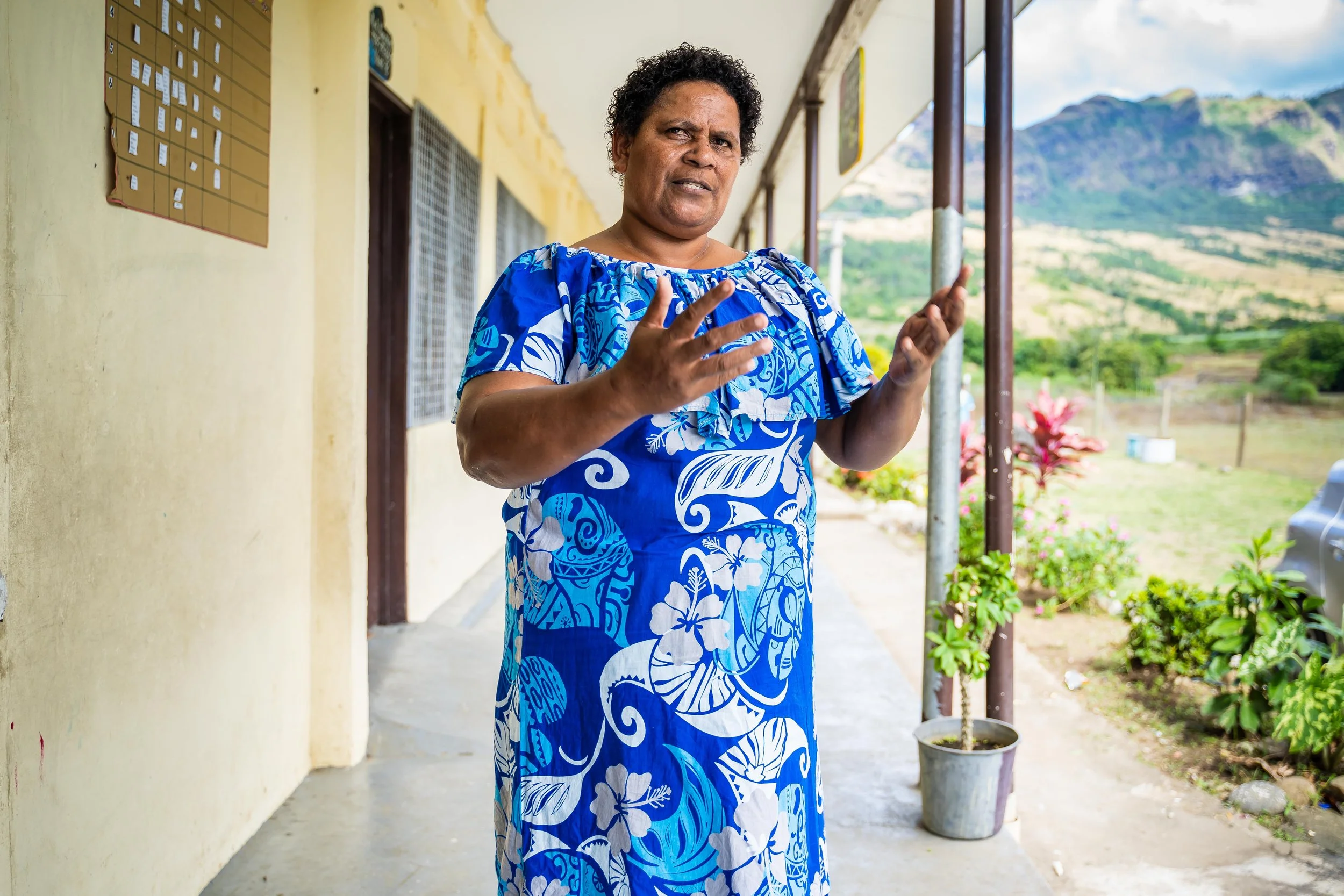
The Educate-the-Educators scheme strengthens early childhood and primary education by equipping Fijian teachers with the training, resources, and confidence they need to deliver high-quality, engaging learning in rural settings. Working closely with the Ministry of Education and school leaders, the scheme provides professional development workshops, curriculum support, teaching resources, and tailored mentoring within schools and early childhood centres.
The focus is practical and collaborative: teachers receive hands-on support in areas such as literacy and numeracy strategies, classroom management, inclusive teaching, lesson planning, and child-centred learning methods. Workshops also introduce teachers to new tools, from phonics resources to sports activities, creative arts, and digital literacy.
By investing directly in local educators, Think Pacific ensures that improvements to education remain long-lasting, locally led, and aligned with national priorities
Our Impact
Since 2009
Building a Stronger, More Resilient Fiji
Rural development has been at the heart of The Think Pacific Foundation since day one.
Fiji’s remote island communities are rich in culture and identity, yet many face limited access to healthcare, skills training and opportunities for young people to progress. We work alongside village leaders, provincial councils and national ministries to change that from within. By improving essential community infrastructure, investing in local employment and empowering rural youth with the skills and confidence to lead, we’re helping to build thriving villages where people can stay connected to their land, culture and future. Together, we aim to strengthen rural Fiji, for the good of all of Fiji.
-
Across Moturiki, Batiki, Nairai, Gau, Koro, Rewa, Ra, Namosi, Tailevu, Kadavu, Serua, Beqa, Nadroga/Navosa and others, Think Pacific Foundation has delivered:
112 complete constructions projects of Community halls, kindergartens, health clinics, dormitories, kitchens, sanitation blocks, water systems, walkways, and school offices.
Over 200+ individual physical development projects built or repaired.
Local carpentry employment, with building managers paid to lead construction and train youth.
Millions of dollars invested directly into village economies, materials, host families, transport, and locally owned tourism businesses.
50+ Community Health Dispensaries constructed
Including:26 built in 2024
Up to 64 communities benefitting in 2023/24 alone
18,000+ people with improved access to healthcare (2023/24)
~$4M FJD invested through construction projects in since 2009
30-minute average reduction in travel time to medical care in rural areas
Sole official provider of community health dispensaries nationwide (2023–24)
-
500+ rural youth upskilled in carpentry & construction (2009–2025 cumulative)
40 upskilled in 2022/23
90 builds in villages since 2009
$368,409.40 invested directly into youth groups since 2022
$178,909 invested 2022/23
$189,800 invested 2023/24
Average of 400+ youth participating annually in empowerment programmes (across all provinces)
255+ leadership, enterprise & climate workshops delivered in 2023/24 alone
Average increases in youth confidence & communication:
+18% confidence growth
+16–19% communication skills & cultural awareness
Support provided to:
178 Early Childhood Centres
174 Primary Schools
15 Secondary Schools
Including: literacy/numeracy support; IT lessons; reading programmes; sports coaching; inter-school tournaments; young enterprise weeks; kindergarten outreach
-
Through both Youth Empowerment & Mental Health programmes:
275–300 youth leaders trained per year in rural villages
Leadership recognised as ‘favourite workshop theme’ across communities
Significant gains in leadership identity
+15–36% increase in youth self-belief as leaders
Community health ambassadors + climate advocates emerging annually
E.g., youth-led mental health advocacy days in every delivery location
14–20 behaviour change metrics monitored, including increases in:
Public speaking
Teamwork
Climate action knowledge
These outcomes support sustainable rural development by ensuring skilled leaders remain in rural communities, where they are most needed.
Other Focus Areas
-
![]()
Climate Adaption
One of the most pressing subjects in a country with high vulnerability to increasingly volatile weather systems.
-
![]()
Health and Wellbeing
Strengthening community resilience and supporting the reduction of preventable diseases.
-
![]()
Youth Empowerment
Building human capital, reducing inequality, equipping the next generation with relevant skills.
-
![]()
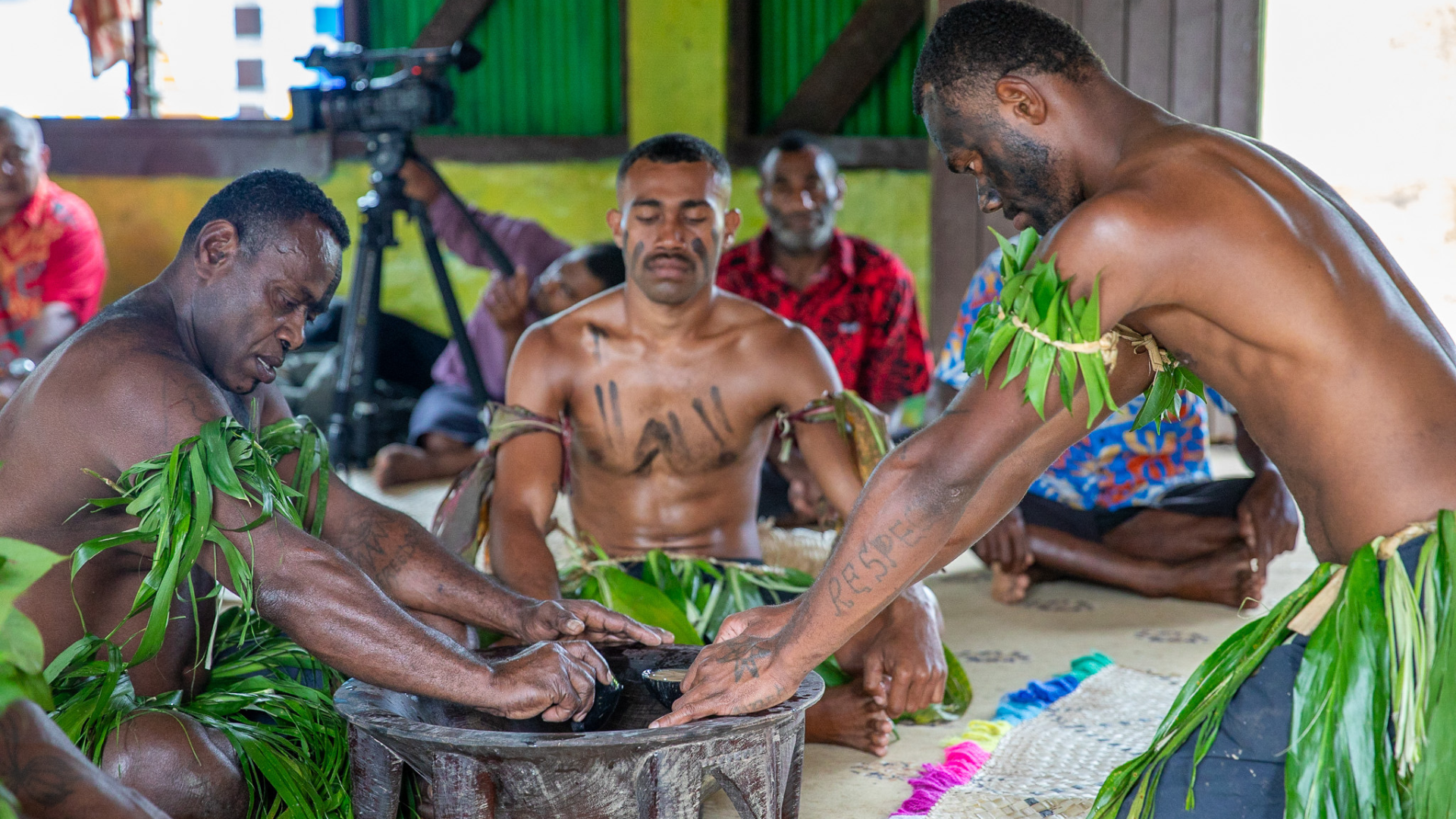
Cultural Heritage
Language preservation, support for local arts, crafts, and cultural events, youth cultural education programs