Daru Vueta Tale Mada
Why?
“Culture is how we act, think, and behave based on the shared values of our society. It is everywhere, and we continually develop and define our culture on a daily basis.”
Culture shapes identity, strengthens community bonds, guides decision-making and connects people to their land, vanua and ancestors. Yet in a rapidly changing world, many traditional practices, stories and skills passed down through oral tradition are at risk of fading. Rural communities, in particular, face increasing pressure from migration, globalisation and shifting lifestyles, which can make it difficult for young people to learn, practise and preserve the knowledge that once defined their way of life.
The Fiji National Development Plan recognises cultural heritage as a cornerstone of sustainable development, calling for the revitalisation of traditional arts, intergenerational knowledge transfer, and the protection of customs that strengthen social cohesion. The Think Pacific Foundation’s work directly supports these national priorities by creating opportunities for people, especially youth, to learn, practise and celebrate their cultural identity in ways that are authentic, community-led and relevant to modern Fiji.
Our Work
Methodology
By supporting traditional skills, storytelling, language, ceremonies, arts, and village-based ways of living, we help ensure that young Fijians can grow with pride in their identity and with a deep sense of belonging. This cultural grounding strengthens resilience, builds confidence, and contributes to development that honours the past while preparing for the future.
In line with goals set out by the Ministry of iTaukei affairs, Think Pacific Foundation aims to stimulate engagement with and revitalisation of local customs and traditions amongst rural youth as a core part of authentic youth development in Fiji. Programmes aim to harness a pride in one’s culture and upbringing as well as practicing skills and communicating knowledge that defines the region and Fiji more broadly.
It ensures that all involved are learning cross-cultural skills through experience which they can not only support the rest of the aims during the project, but they can also utilise moving forward.
The Culture Course
A programme in collaboration with our community-travel provider sister social enterprise.
This has been a primary project delivered across recent years as rural community outreach, utilising the strengths of community tourism to stimulate cultural discussions and engagement in a fruitful environment.
As a platform for cultural exchange, it supports young Fijians in communicating their own heritage and identity,
Additionally, the course aims to present Fijian culture as authentically as possible to visitors, Pacific students and other participants, avoiding standard tropes in the tourism sector.
Our Primary Strategies
Community-Led Cultural Development
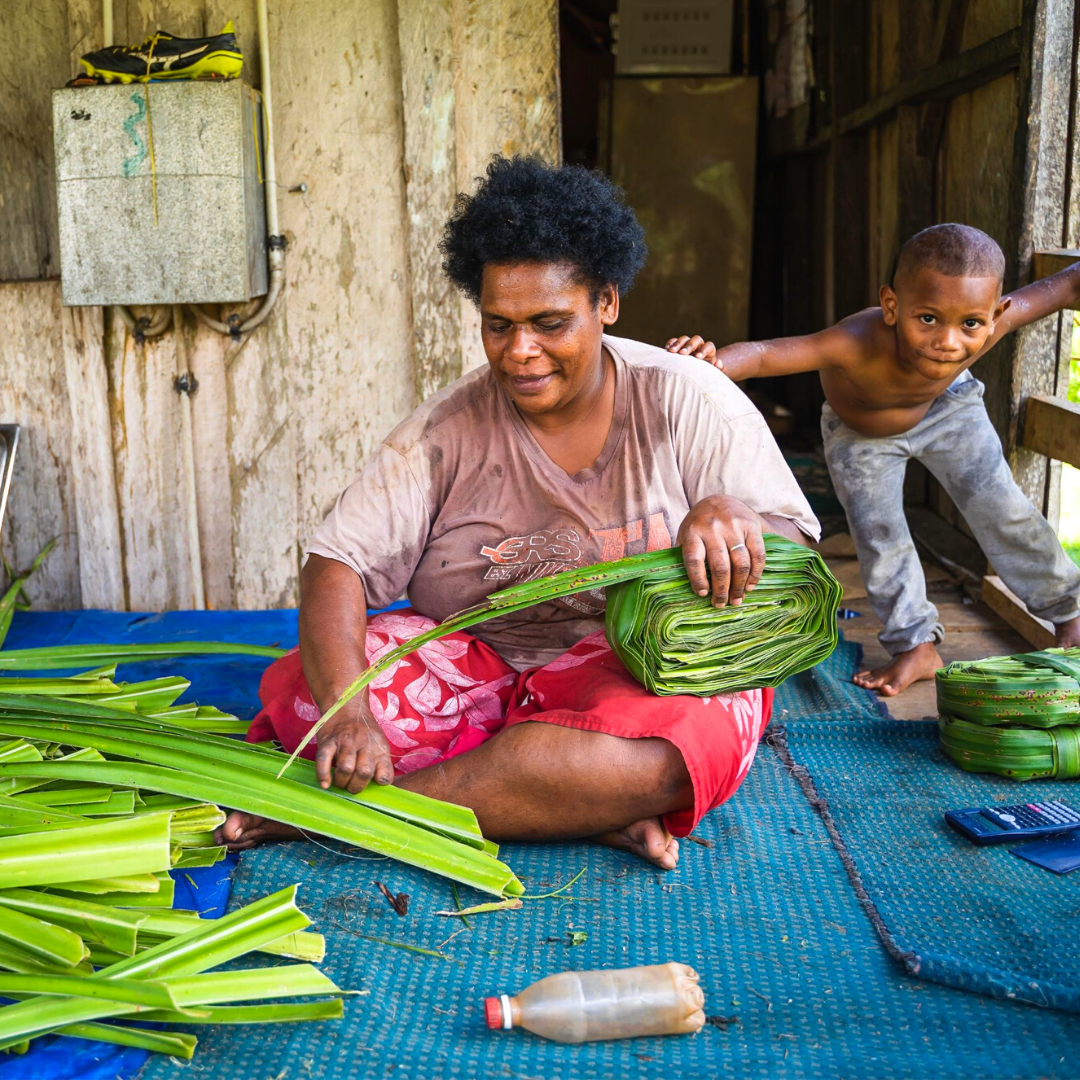
Our cultural programmes are designed and delivered by communities, for communities. We do not teach Fijian customs, youth do, with the guidance of elders, artisans, storytellers and knowledge holders. This ensures that cultural authority stays where it belongs: within the vanua.
By creating structured opportunities for young people to step forward as facilitators, we strengthen community ownership, elevate local expertise, and reinforce the value of traditional knowledge in daily village life. This approach aligns with FNDP priorities to revive cultural practices through community systems and locally led leadership.
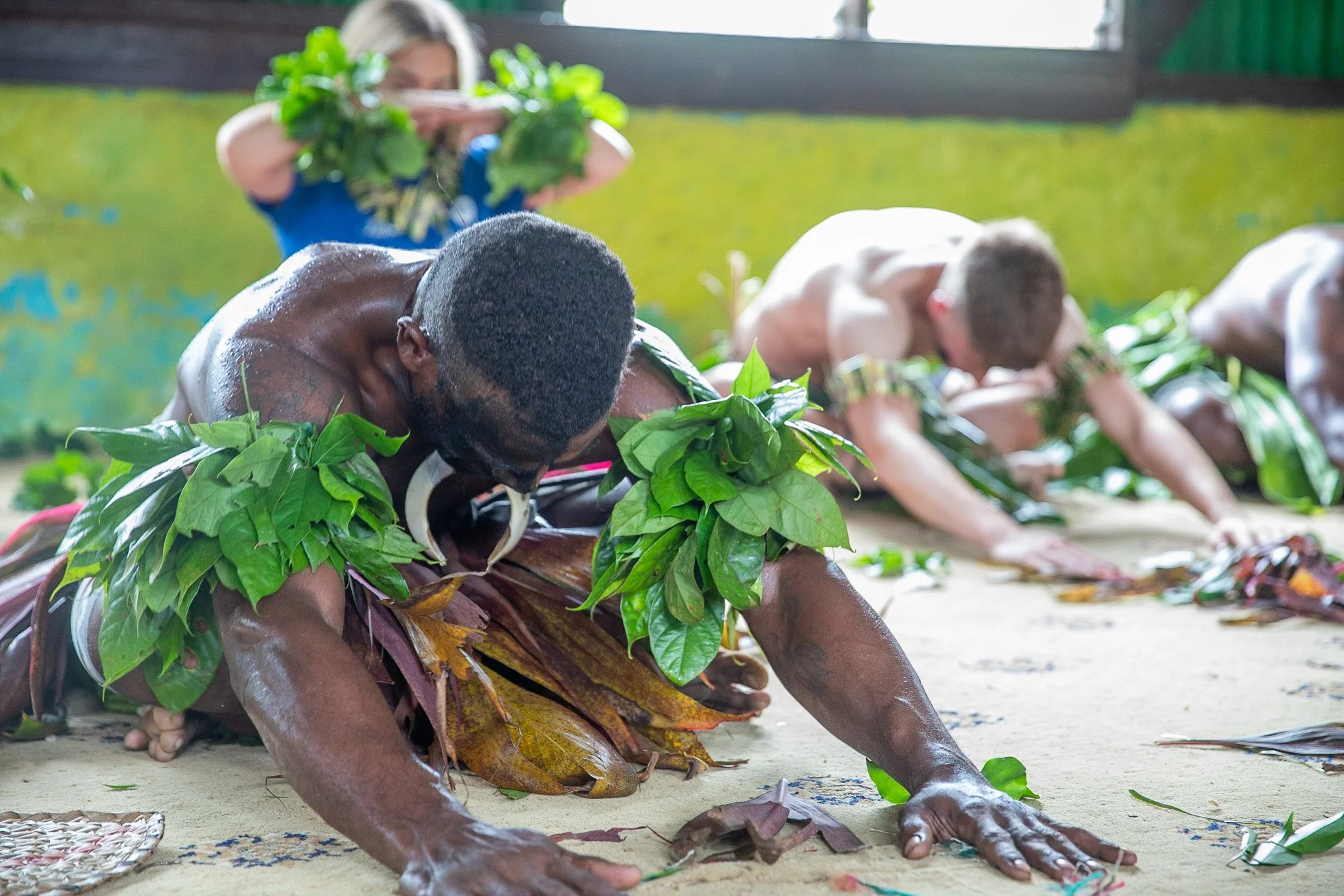
Authentic Oral Transmission
Fijian culture has always been passed down through oral tradition — through talanoa, storytelling, observation, song, practice and ceremony. Our programmes honour and protect this method of learning.
Instead of relying on written texts, youth are encouraged to seek knowledge directly from elders: learning meke by dancing, learning crafts by weaving, learning genealogy through storytelling and learning etiquette through participation.
By safeguarding the method of transmission, not just the information itself, we help keep cultural practices alive in the way they were intended, supporting FNDP goals to preserve Fiji’s intangible heritage.
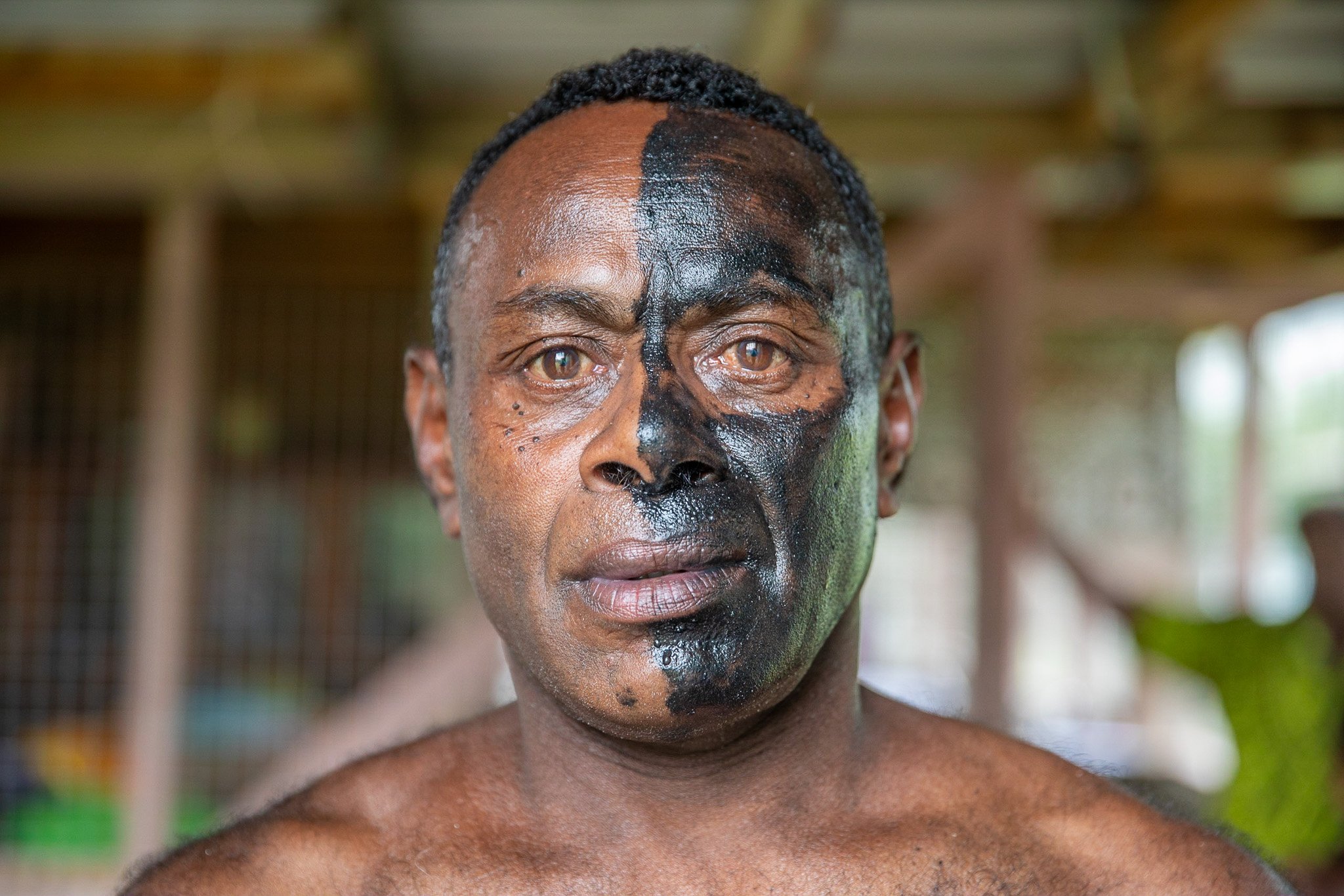
Intergenerational Knowledge Exchange
A thriving culture depends on strong connections between generations. Our work bridges the gap between elders who hold deep cultural knowledge and young people who will carry that knowledge into the future. Through community sessions, shared learning environments and dialogue between youth and elders, cultural skills and stories are passed on in meaningful, practical ways.
This strengthens identity, belonging and social cohesion while ensuring that oral traditions, artisanal skills and community history remain an active part of village life. Intergenerational transfer is a core FNDP priority — and a pillar of sustainable cultural revitalisation.
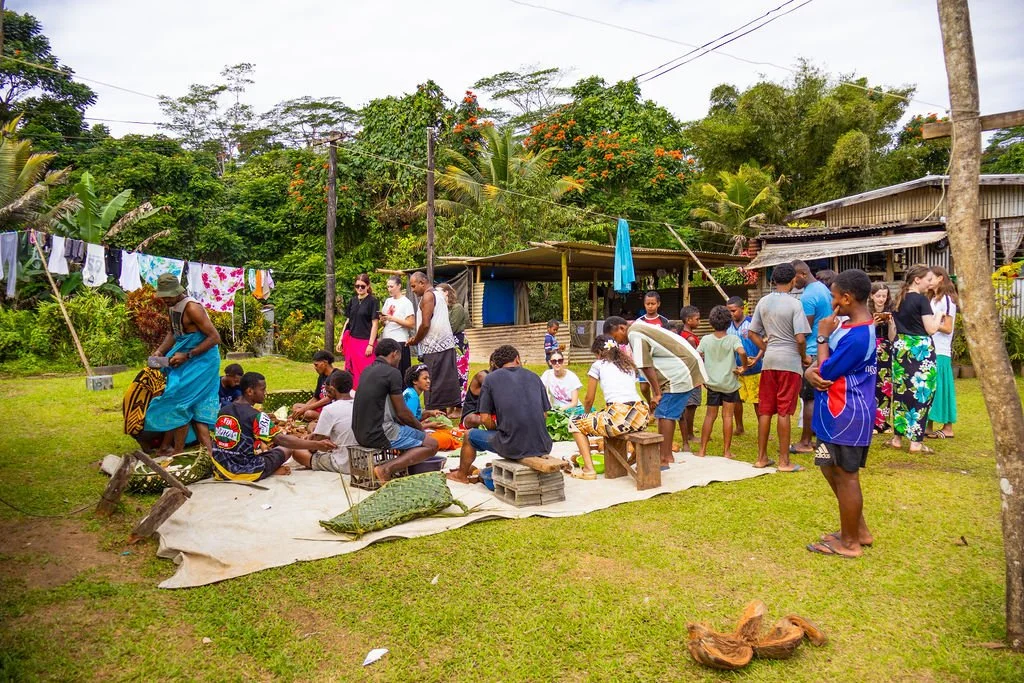
Investing in Cultural Leaders & Organisations
To sustain cultural revitalisation at scale, we invest in the people and organisations who are safeguarding Fiji’s cultural future. This includes cultural NGOs, traditional artisans, performing groups, educators, youth-led initiatives and community cultural champions.
By funding their programmes, supporting their advocacy and amplifying their reach, we help ensure that heritage is protected, celebrated and integrated into national development.
This approach supports FNDP ambitions to strengthen cultural institutions, support innovation in cultural practice and empower those who lead in this space.
Our Impact
Since 2009
Through initiatives such as Daru Vueta Tale Mada — “Revitalise Together”, we create spaces for rural youth to reconnect with and practise their customs, arts, food traditions, language, oral histories and perspectives. Led by community youth and elders, these programmes build pride, strengthen identity and support intergenerational knowledge transfer. They also develop confidence, communication and leadership skills among young people, empowering them to carry their heritage forward.
Alongside this, we partner with and fund NGOs and cultural organisations working throughout Fiji to preserve traditional arts, document cultural knowledge and support community-led cultural initiatives. By investing in culture, we help ensure that Fijian development remains anchored in identity, resilience and belonging — enabling communities to thrive while staying true to who they are.
-
320 cultural sessions delivered by rural youth during 2022/23 projects
347 cultural sessions delivered across Fiji in 2023/24
160 youth trained to deliver cultural knowledge in 2022/23
55 youth delivering sessions in 2023/24 alone
12–14 cultural sessions per project, across four categories: Art, Food, Identity, Perspective
Cultural course consistently rated as the favourite part of the project for the majority of programme participants (71% in 22/23)
-
Core traditional skills taught include:
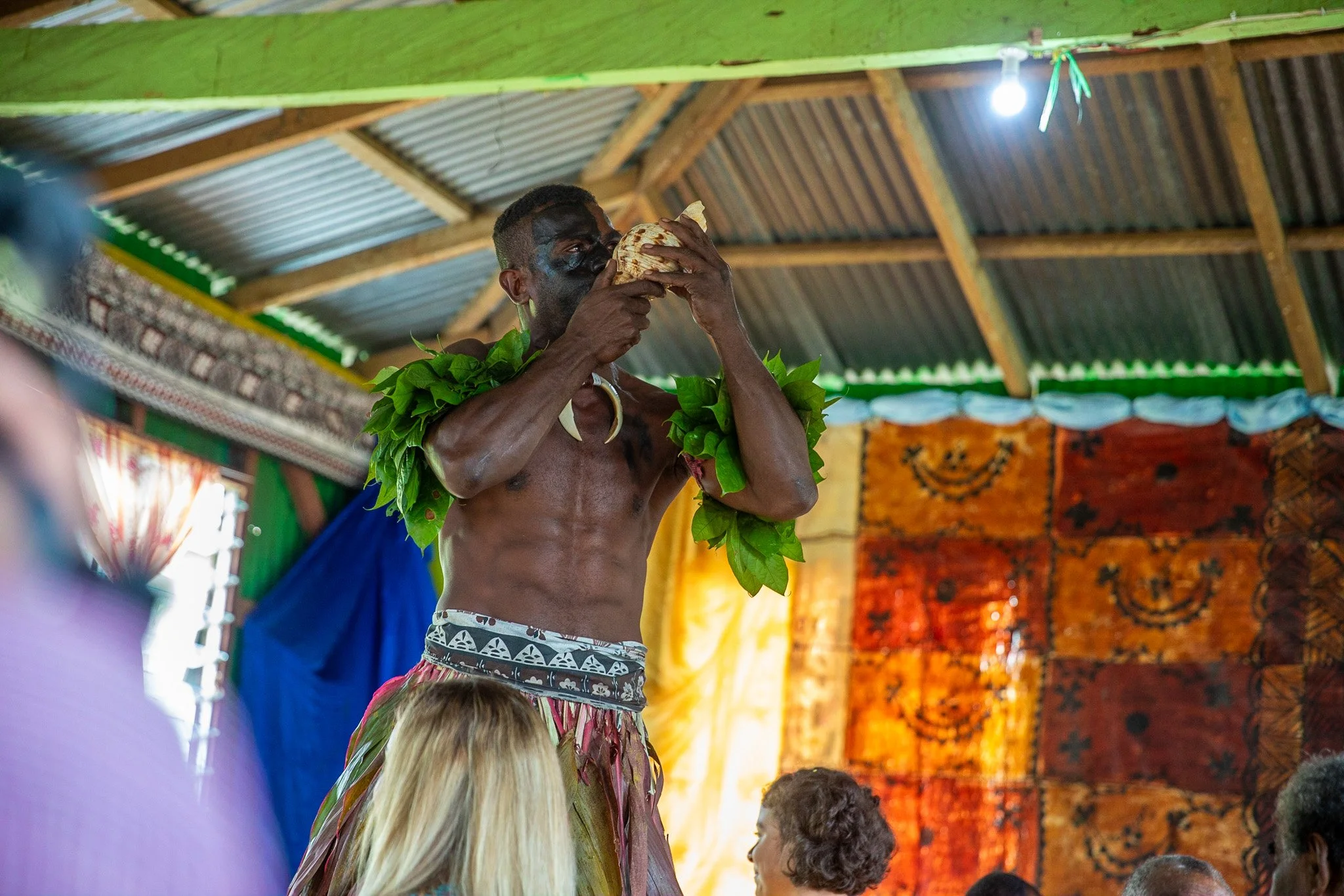
Meke, vucu, storytelling
Mat weaving, bilibili making
Traditional cooking (lovo)
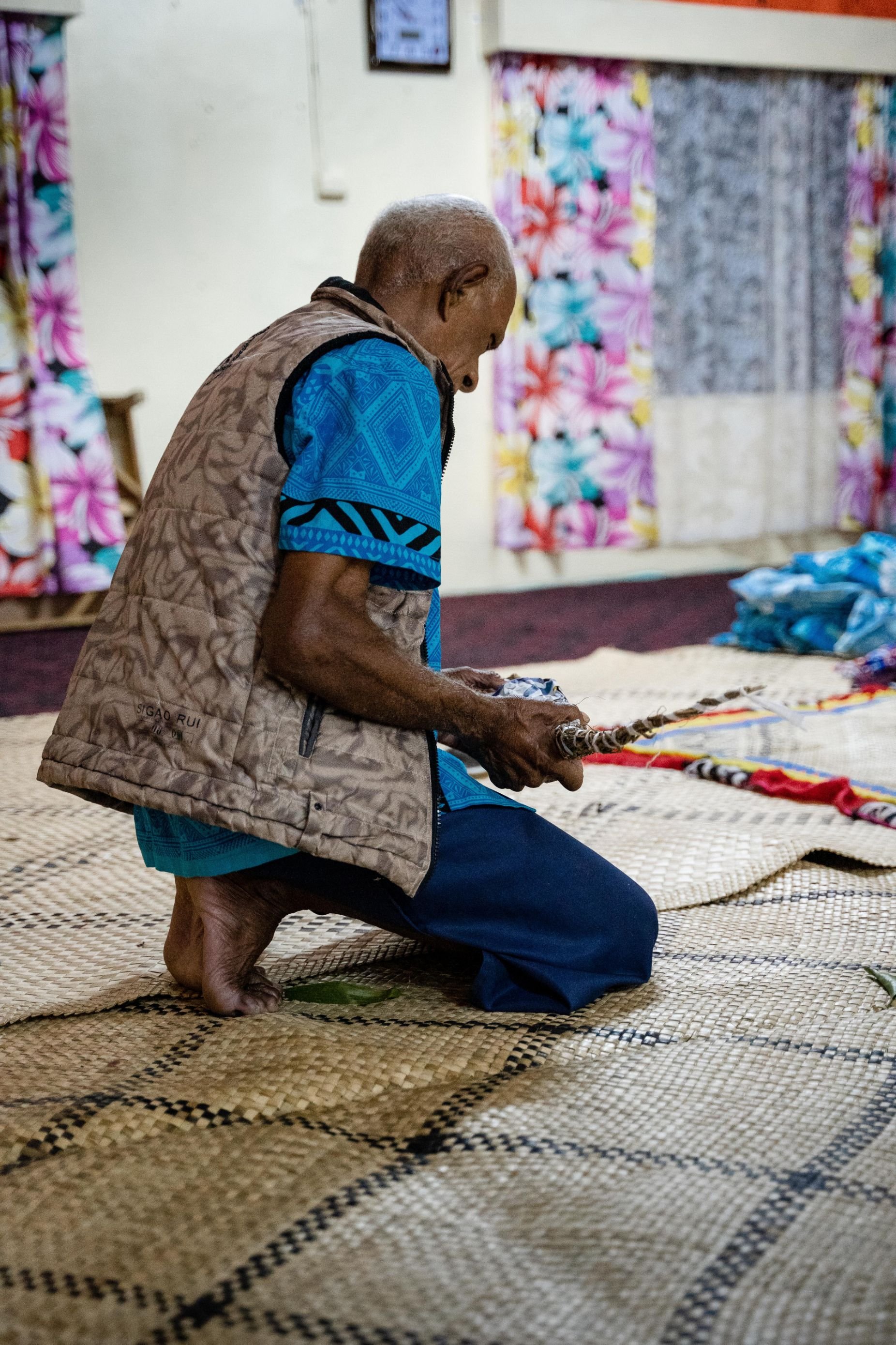
Yaqona ceremony
Language learning
Over 600 international participants engaged in oral-learning-based cultural sessions in 2022–23 alone
-
Programme model requires youth to learn directly from elders before teaching, recorded across all culture course manuals and session structures
Over 500 community youth members engaged in learning, practising and re-teaching cultural knowledge during 2022–23 timeline
Hundreds of elders and artisans involved annually (implied from the community youth-led delivery structures, youth must learn from elders to deliver sessions).
-
Over $126,000 FJD invested directly into community cultural programmes since 2022
Over $25,000 FJD invested in culturally orientated NGOs (Uto ni Yalo,Rako Pasifika, etc.)
600+ international participants engaged annually in cultural immersion and oral traditions
Culture course delivered in every community project across Fiji (22/23 and 23/24)
Additional NGO funding related to cultural organisations is included within broader partner funding:
$31,000 FJD to partner NGOs (2022/23), covering culture, health, enterprise and leadership organisations
$52,000 FJD to partner NGOs (2023/24), again including culture partners
Other Focus Areas
-
![]()
Rural Development
Empowering local communities by enhancing infrastructure, improving access to education and healthcare.
-
![]()
Climate Resilience
One of the most pressing subjects in a country with high vulnerability to increasingly volatile weather systems.
-
![]()
Health and Wellbeing
Strengthening community resilience and supporting the reduction of preventable diseases.
-
![]()
Youth Empowerment
Building human capital, reducing inequality, equipping the next generation with relevant skills.