Health and Wellbeing
Why
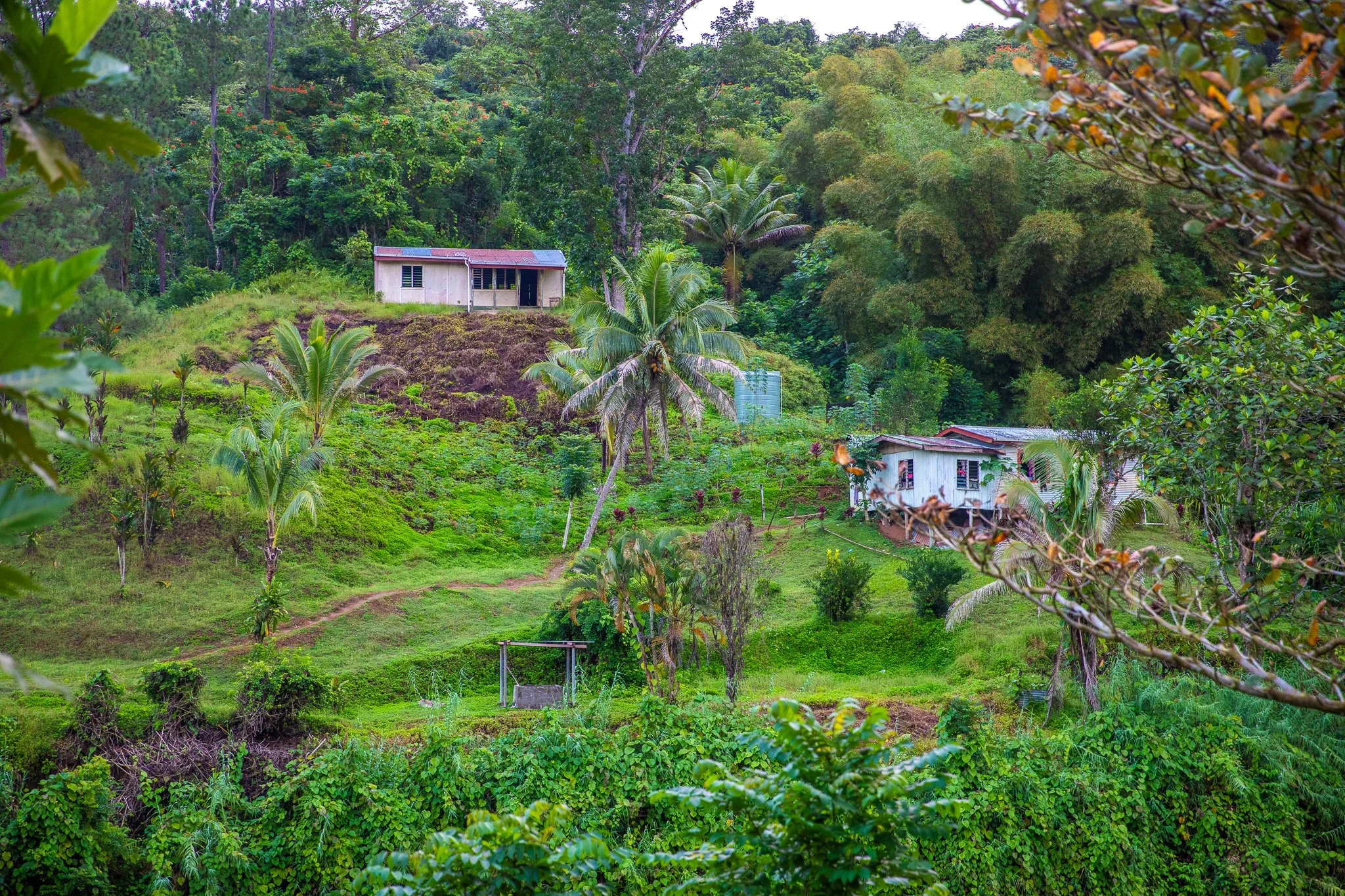
Health and wellbeing sit at the centre of any rural community. In Fiji’s remote and island regions, many families face challenges accessing healthcare, clean water, nutritious food, sanitation facilities and mental health support, challenges intensified by geography and the growing impacts of climate change. These barriers affect children’s ability to learn, families’ economic security, and communities’ resilience during times of crisis.
Since 2009, the Think Pacific Foundation has worked in partnership with the Ministry of Health, the National Wellness Centre, local health workers and village leaders to strengthen health systems from the ground up. Our approach is holistic and community-led, combining resilient infrastructure, life-changing health education, youth leadership and local capacity-building.
Together with our partners, we are creating safer, healthier and more informed communities, ensuring that people in rural Fiji have the care, knowledge and confidence they need to thrive today, and for generations to come.
Our Work
We partner with the Ministry of Health, National Wellness Centre, provincial councils, local health workers and community committees to ensure every initiative is driven by local priorities and aligned with national strategies. Our construction projects deliver cyclone-resilient clinics and improved WASH facilities, designed and built with rural youth to strengthen long-term maintenance and employment opportunities. In schools and villages, our interactive health programmes focus on preventative care — empowering children and young people with the knowledge, skills and confidence to lead healthier lives.
Mental health advocacy, sports for wellbeing, nutrition education and hygiene promotion sit alongside life-skills and cultural grounding, recognising that wellness in Fiji is physical, emotional, social and spiritual. Our programmes are continuously refined through community feedback and government guidance, ensuring they remain impactful, culturally appropriate and community-owned.
Together with our partners, we are helping create a future where every person in rural Fiji can access the care, knowledge and support they need to thrive.
Our Primary Strategies
Build Resilient Infrastructure
Strong health systems require strong foundations.
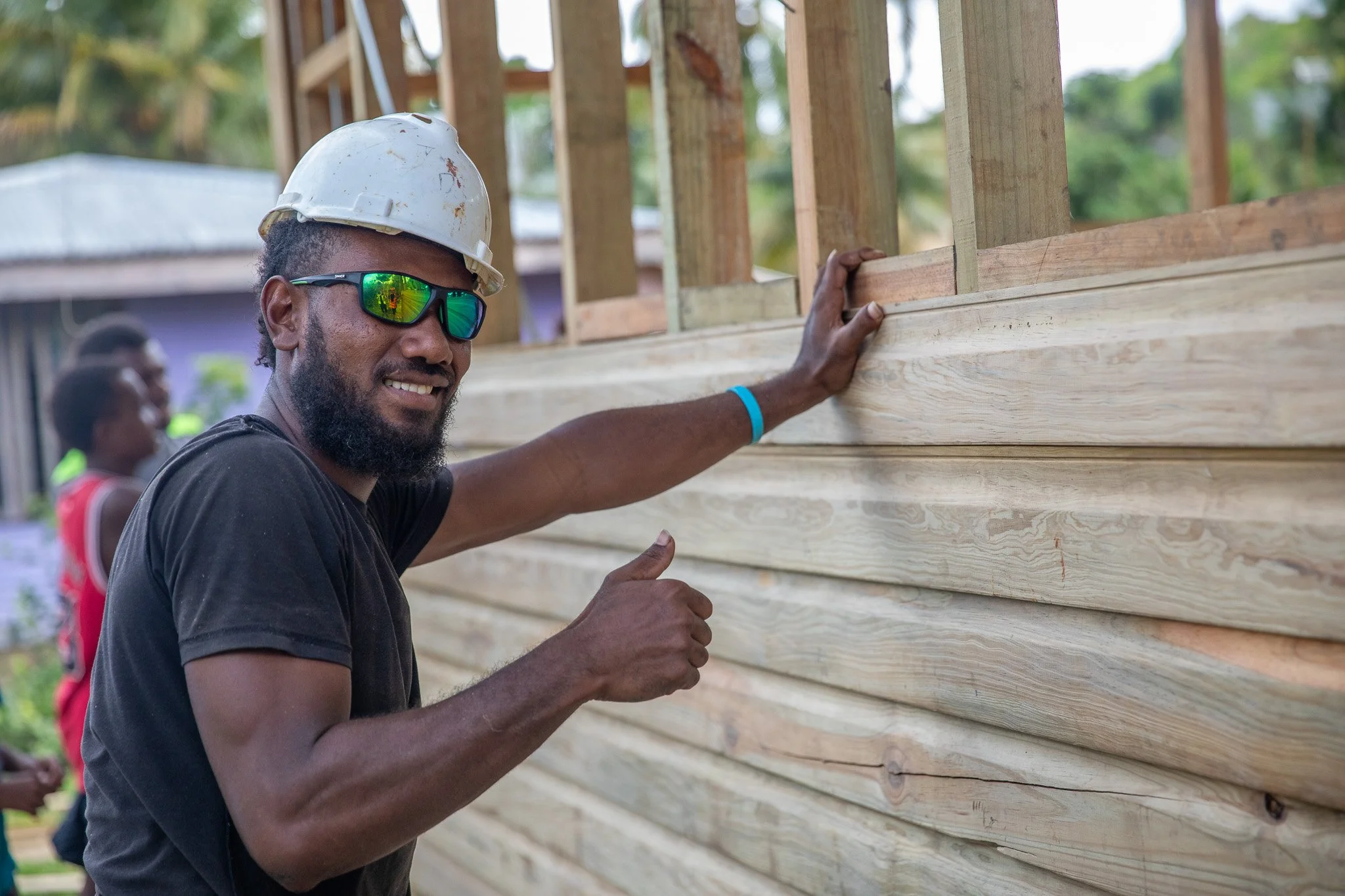
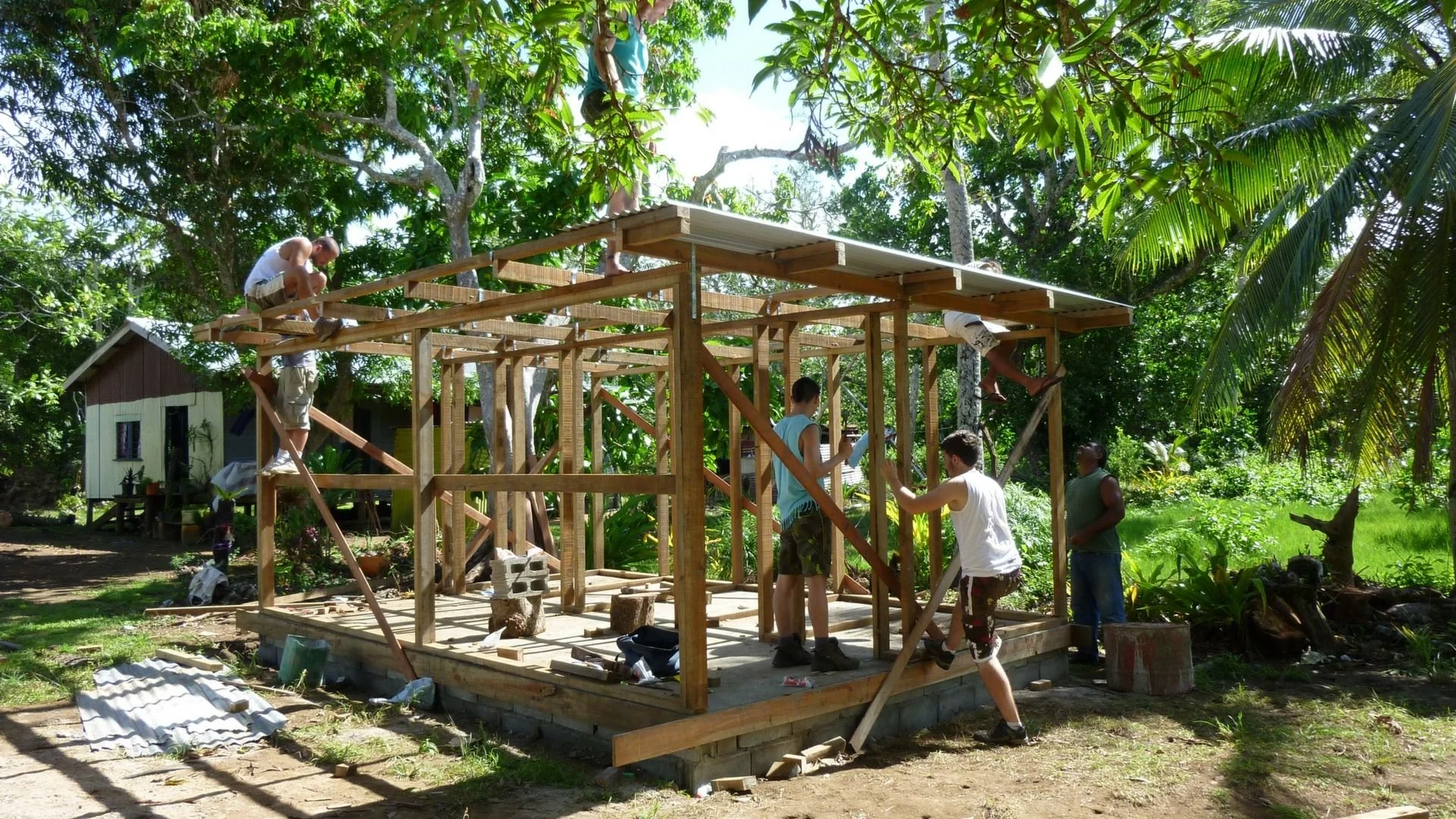
We support the construction of clinics, water systems, sanitation blocks and community halls that improve everyday wellbeing and strengthen resilience after natural disasters.
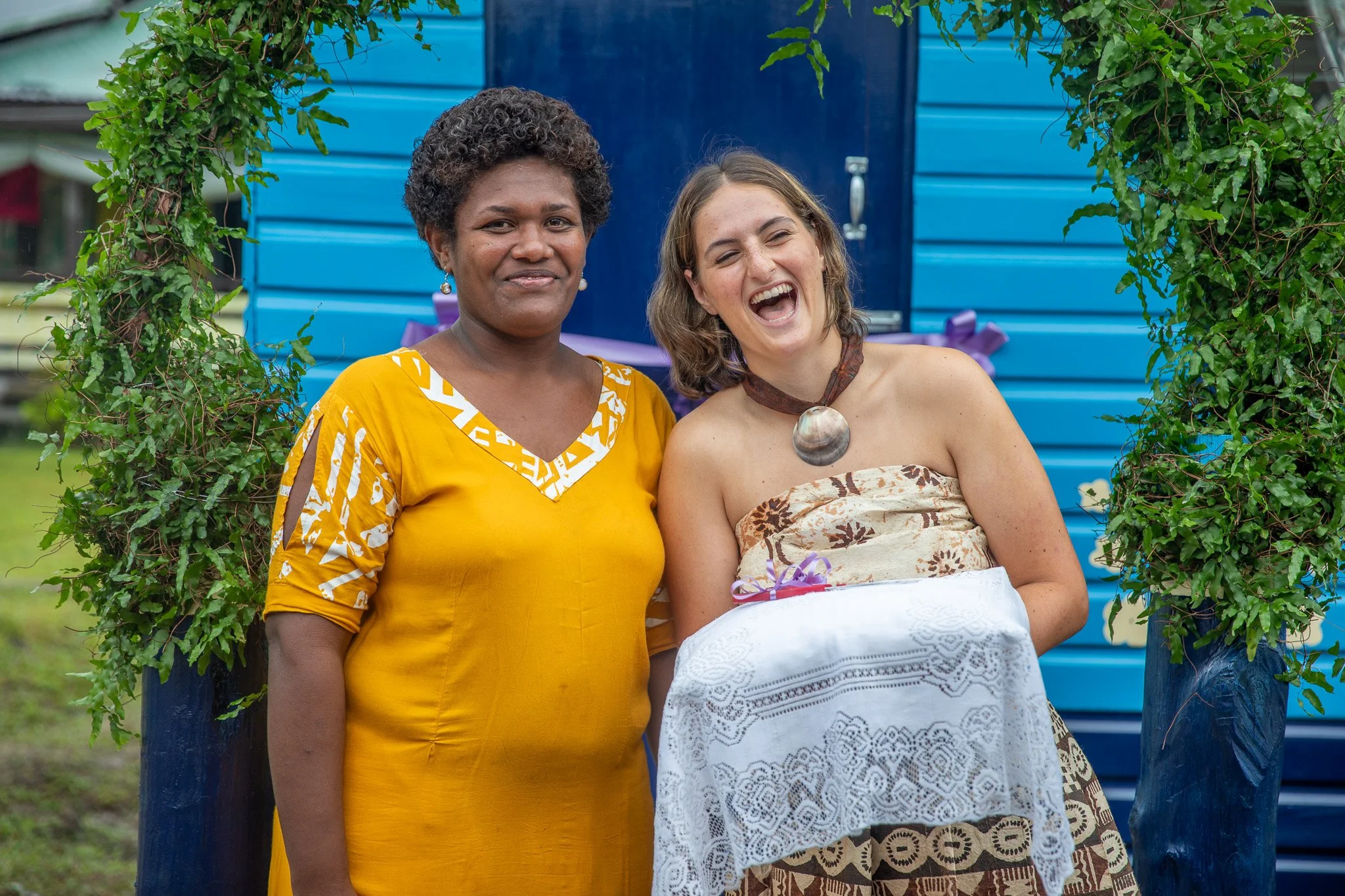
Empower Health Workers
We support training with with:
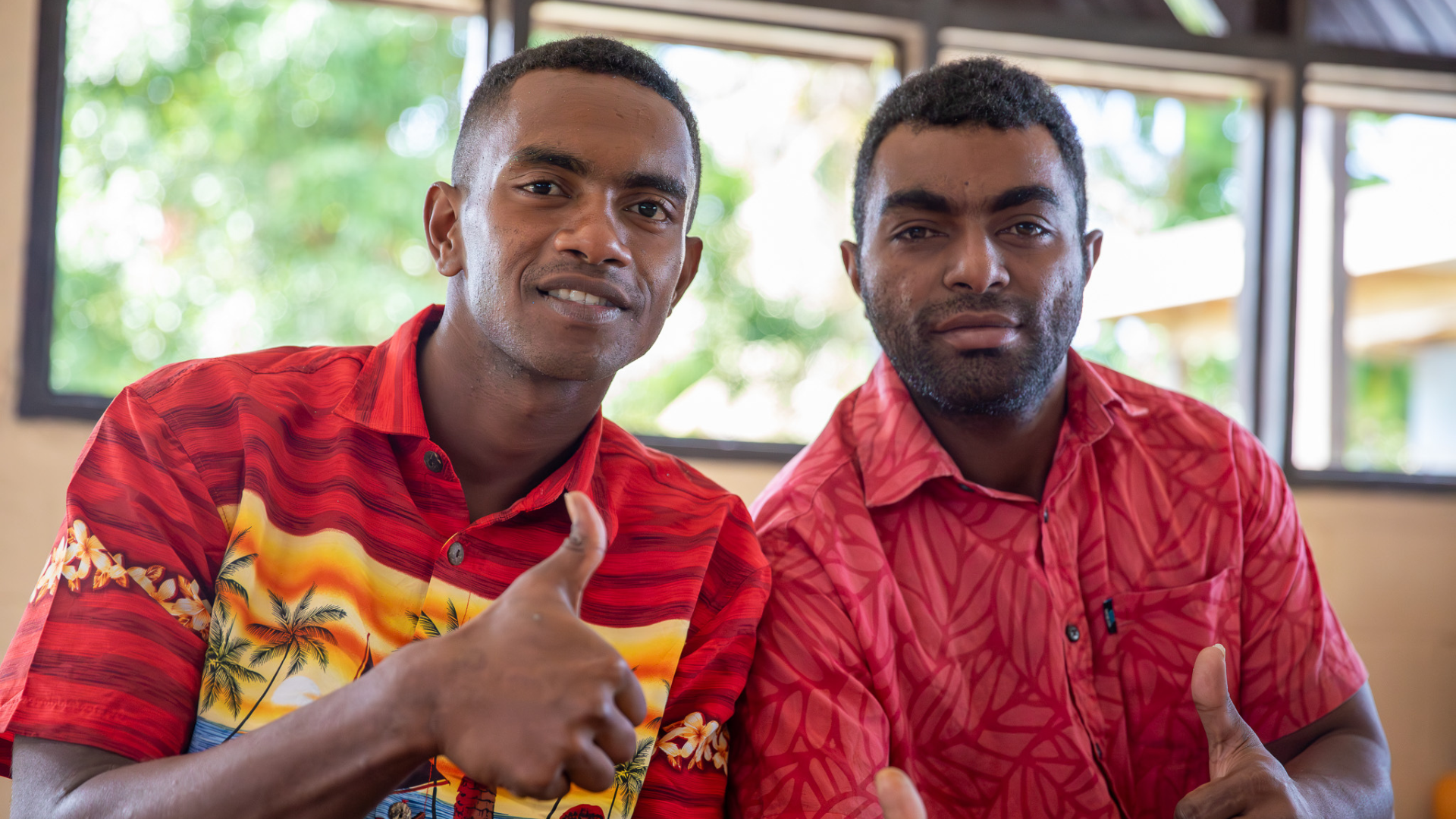
Community Health Workers
Teachers
Village committees
Carpenters and skilled tradespeople
Across all programmes, we ensure that skills, confidence and responsibility are transferred to community members, not external actors.
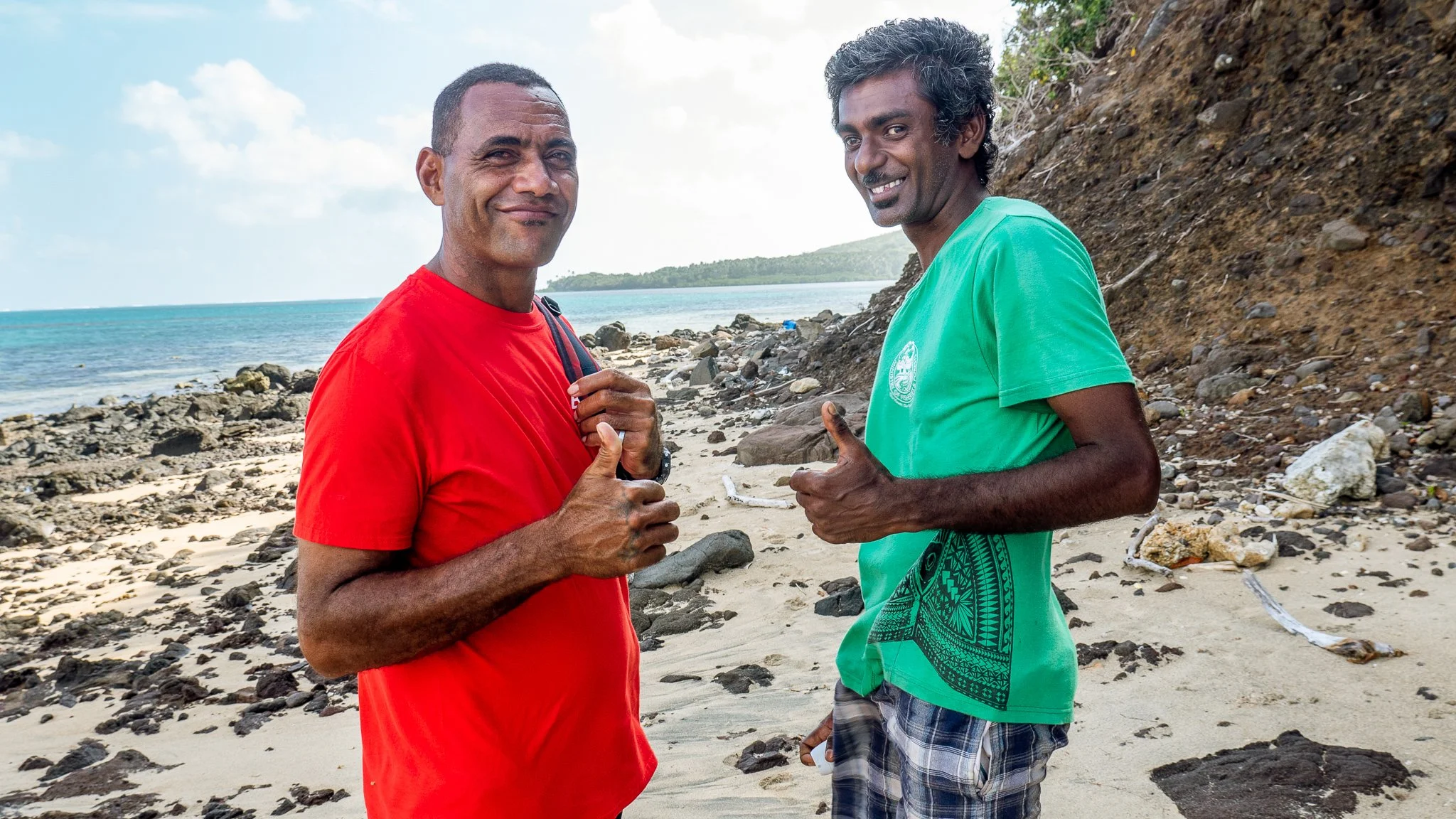
Whole-Community Wellbeing
We promote wellbeing that goes beyond physical health, recognising the importance of:
Mental wellness
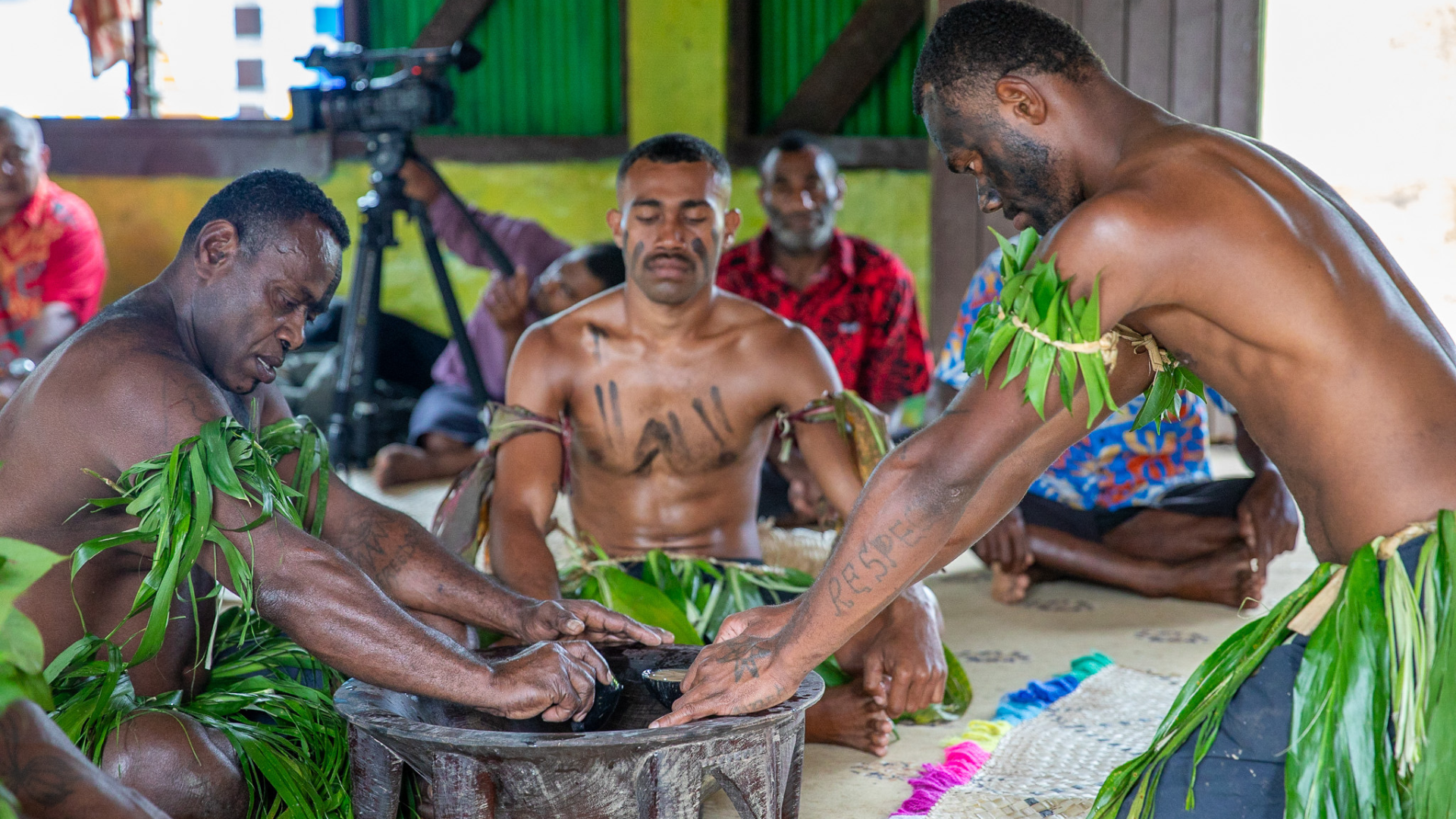
Cultural identity
Active lifestyles
Clean environments
This aligns with wellness as spiritual, cultural, mental and physical.
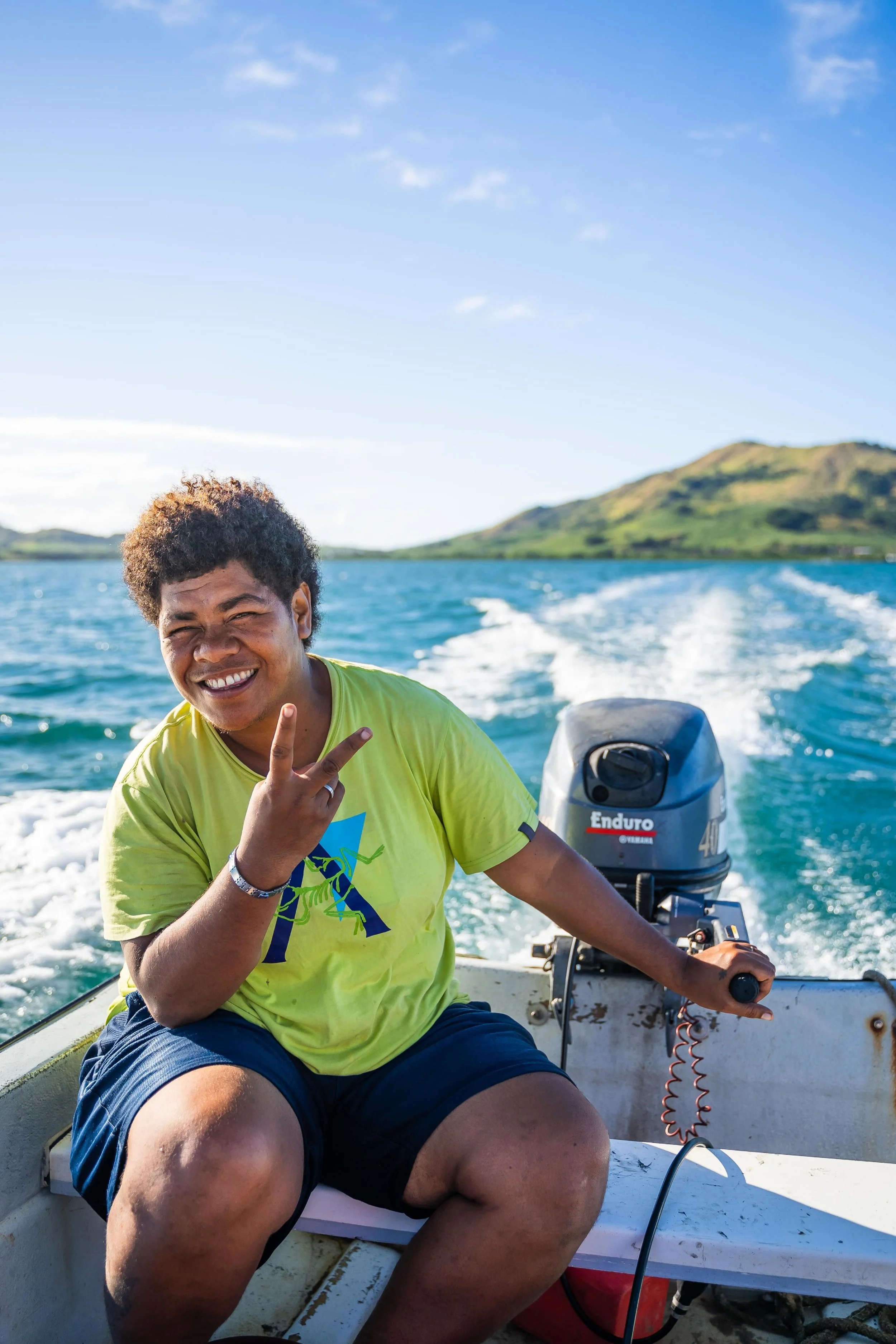
Respond to Community Needs
All programmes are developed through direct consultation with village leaders, provincial councils and government ministries.
Whether improving water access, delivering hygiene workshops, rebuilding after cyclones or providing mental health sessions, our work is tailored to local priorities.
Our Impact
Since 2009
Across more than a decade of delivery, the Think Pacific Foundation has improved health and wellbeing for families in some of Fiji’s most remote and underserved villages. By building stronger access to care, expanding public health knowledge, promoting active and healthy lifestyles, and equipping young leaders to champion wellness in their own communities, we’re helping to reduce preventable illness and strengthen resilience at every level. Our impact is driven by deep partnerships with national and local health systems, ensuring that the results of our work are sustainable, culturally rooted and owned by the communities who benefit from them.
-
Strengthening access to care and safer environments for health delivery in rural Fiji.
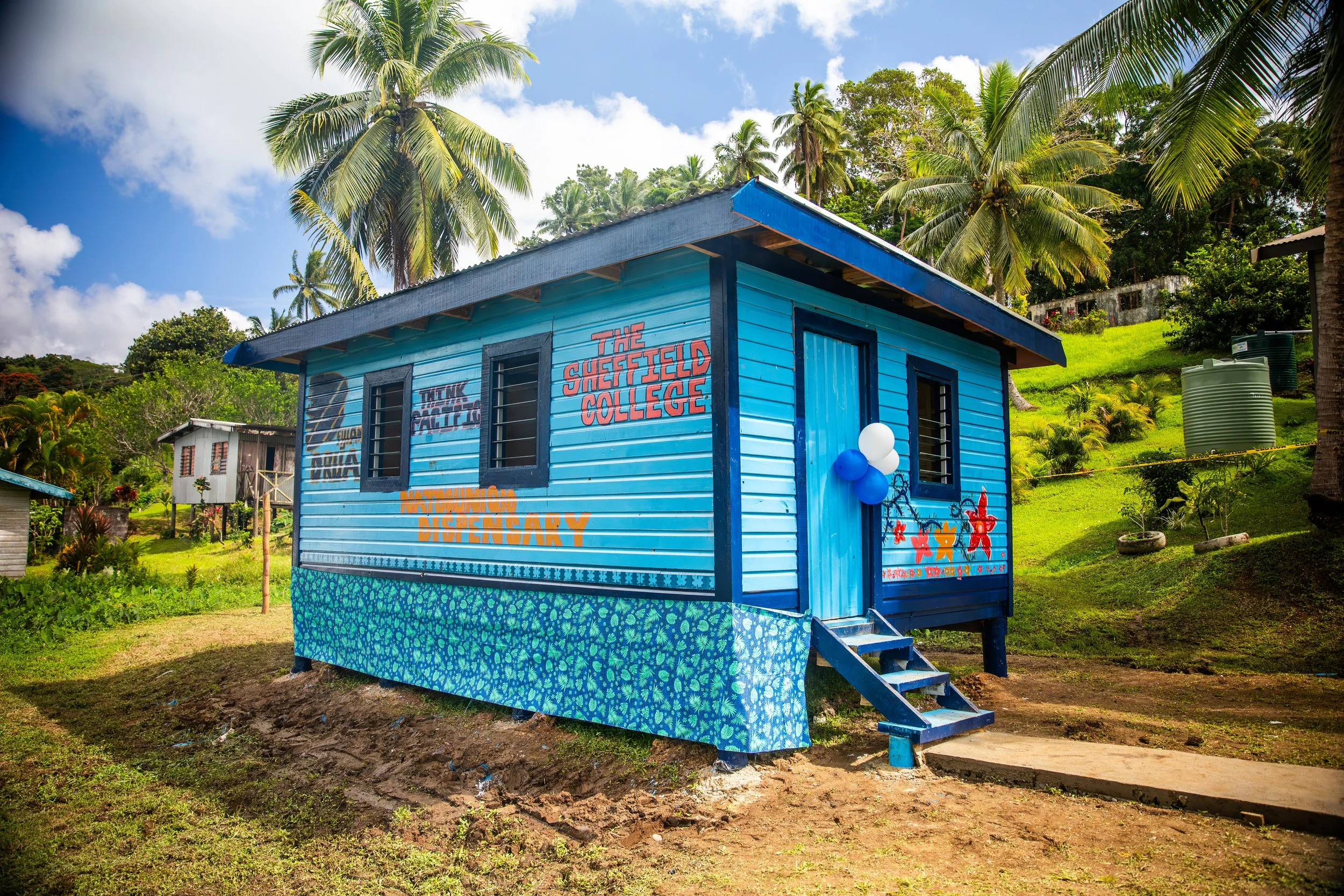
44 community health dispensaries constructed (by 2023/24)
~18,000 estimated beneficiaries supported through these facilities each year
64 communities benefiting from improved medical access through infrastructure builds
Facilities enabling secure medical supply storage & basic treatments at village level
Youth up-skilled in build delivery ensuring long-term maintenance and local employment
-
Ensuring frontline responders in rural areas have facilities and support to operate effectively.
Dispensaries provide secure workplaces for community health workers
44 community health workers provided for
On-site supervisors and carpenters train local youth to support medical service infrastructure
Equipment donated to support Community Health Workers Health to deliver medicines, screenings, and referrals within villages
Follow up programmes conducted by programme partner Diabetes Fiji
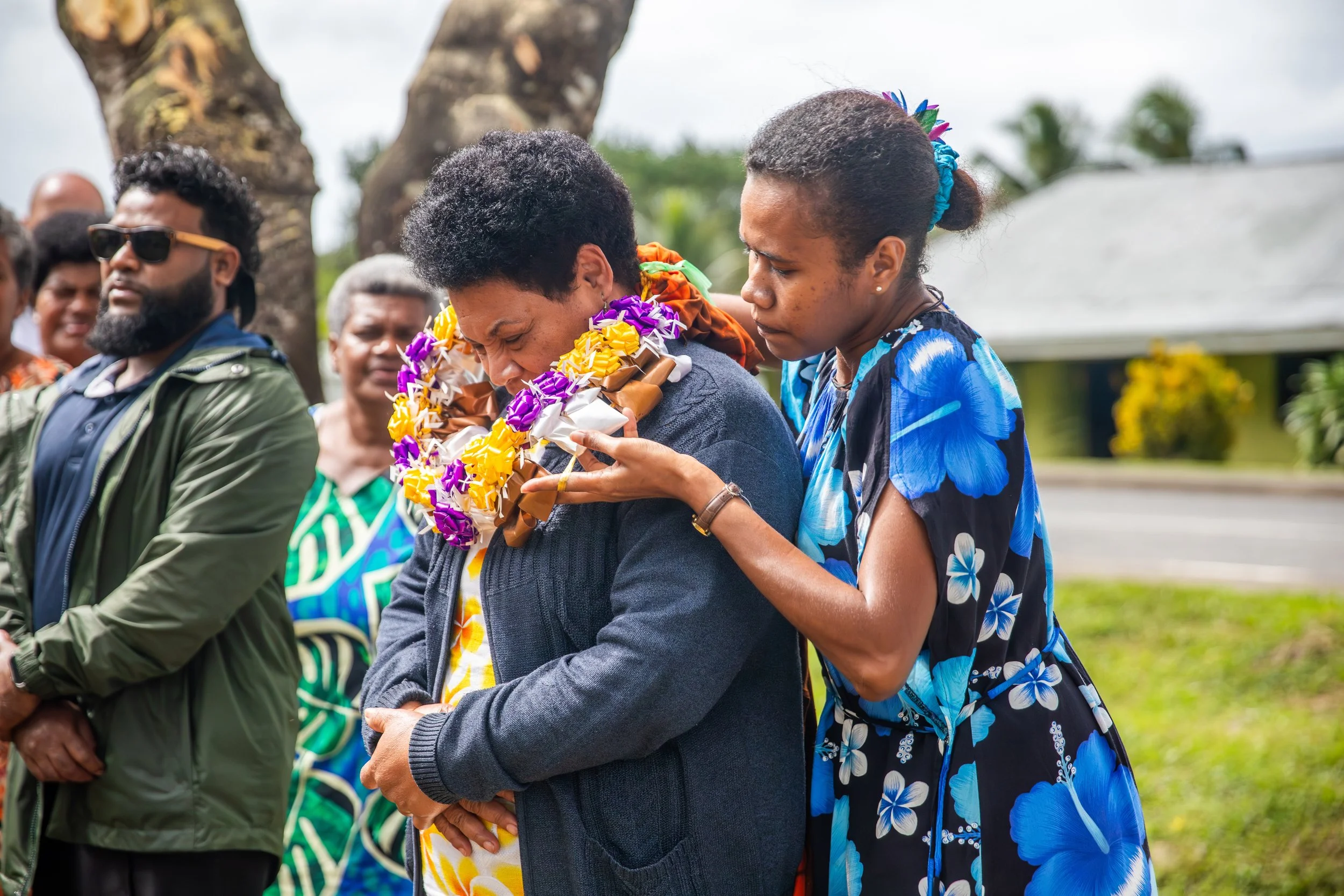
Ministry of Health in Fiji reconnected with CHWs during opening ceremony
These builds directly expand service reach for nurses and CHWs — enabling care where none existed before.
-
Empowering healthier lifestyles, prevention behaviours and wellness confidence across generations.
168+ public health and wellbeing sessions in rural areas in 2022/23
255+ health-related workshops in 2023/24 alone
Workshops aligned with national MOH/TAHF priorities including:
NCD prevention
Nutrition & hydration
Mental Health
WASH behaviours
Physical activity & sports for health
Think Pacific Progress Report -…
Youth report 9–19% increases in health awareness, confidence & specific communication skills regarding mental health
Workshops act as early-intervention tools helping to reduce preventable illness and promote long-term wellness.
-
Support for wellbeing challenges and health demands that emerge at a local level.
Projects prioritised through Ministry of iTaukei Affairs & Provincial Offices
Build locations selected based on health need and distance to services
Follow-up engagement through mental health & wellbeing initiatives (4 projects in 2023/24)
Health education adapted per community feedback to ensure culturally appropriate delivery
Our approach ensures support is locally directed, sustained, and responsive to shifting rural health vulnerabilities.
Other Focus Areas
-
![]()
Rural Development
Empowering local communities by enhancing infrastructure, improving access to education and healthcare.
-
![]()
Climate Adaption
One of the most pressing subjects in a country with high vulnerability to increasingly volatile weather systems.
-
![]()
Youth Empowerment
Building human capital, reducing inequality, equipping the next generation with relevant skills.
-
![]()
Cultural Heritage
Language preservation, support for local arts, crafts, and cultural events, youth cultural education programs