Climate Resilience
Why
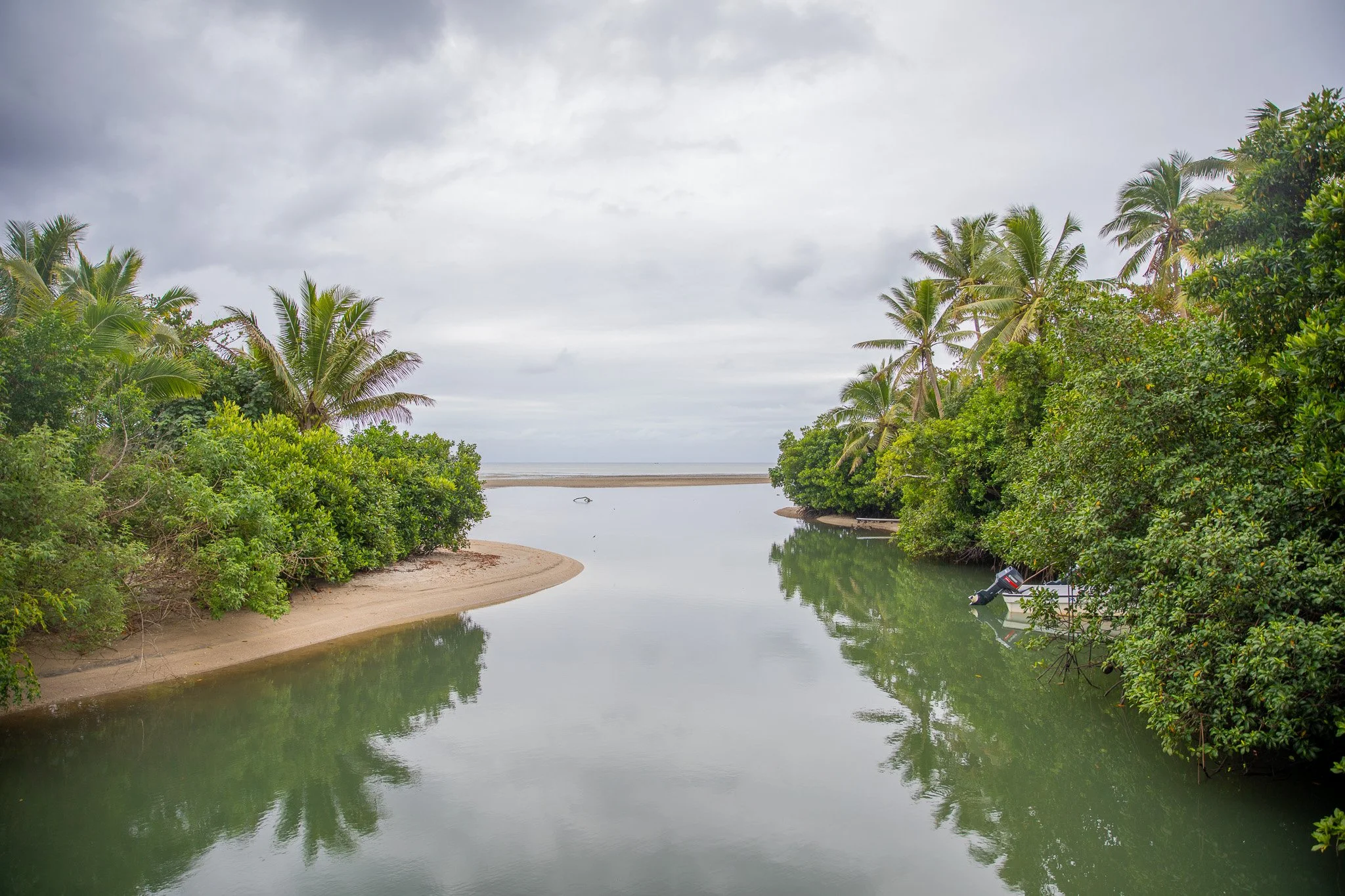
Fiji finds itself on the frontline of climate change. Rising sea levels, stronger cyclones, flooding, coastal erosion and changing weather patterns threaten homes and livelihoods, particularly in remote island communities. For many Fijians, climate change is becoming a daily reality that affects day to day past stabilities; food security, clean water, health, education.
We have made climate resilience a core focus because communities deserve the tools, knowledge and infrastructure to thrive in an uncertain future. We work alongside provincial councils, government ministries and youth leaders to support adaptation strategies that protect people and their environment. From building stronger, more resilient health and community facilities, to improving WASH systems and leading environmental advocacy with young people, our approach ensures that climate action is practical and community-owned.
Our Work
Methodology
The Think Pacific Foundation supports climate resilience through evidence-based investment, local data, and strong partnerships with government ministries, provincial councils, youth groups and environmental organisations. Guided by the Fiji National Development Plan and informed by village-level health, WASH and environmental assessments, our programmes target the most remote and vulnerable communities with the greatest need. Our formal agreements with the Ministry of Health, Ministry of Youth & Sports, Climate Change and International Cooperation Division, and numerous national sports and education bodies ensure that every initiative directly supports Fiji’s national climate priorities and is backed by specialist expertise, shared resources and continual monitoring of community outcomes
This integrated, partnership-driven model enables us not only to deliver impactful projects today, but to help build long-term resilience that is locally owned, culturally grounded and sustainable for future generations.
Our Primary Strategies
Resilient Infrastructure
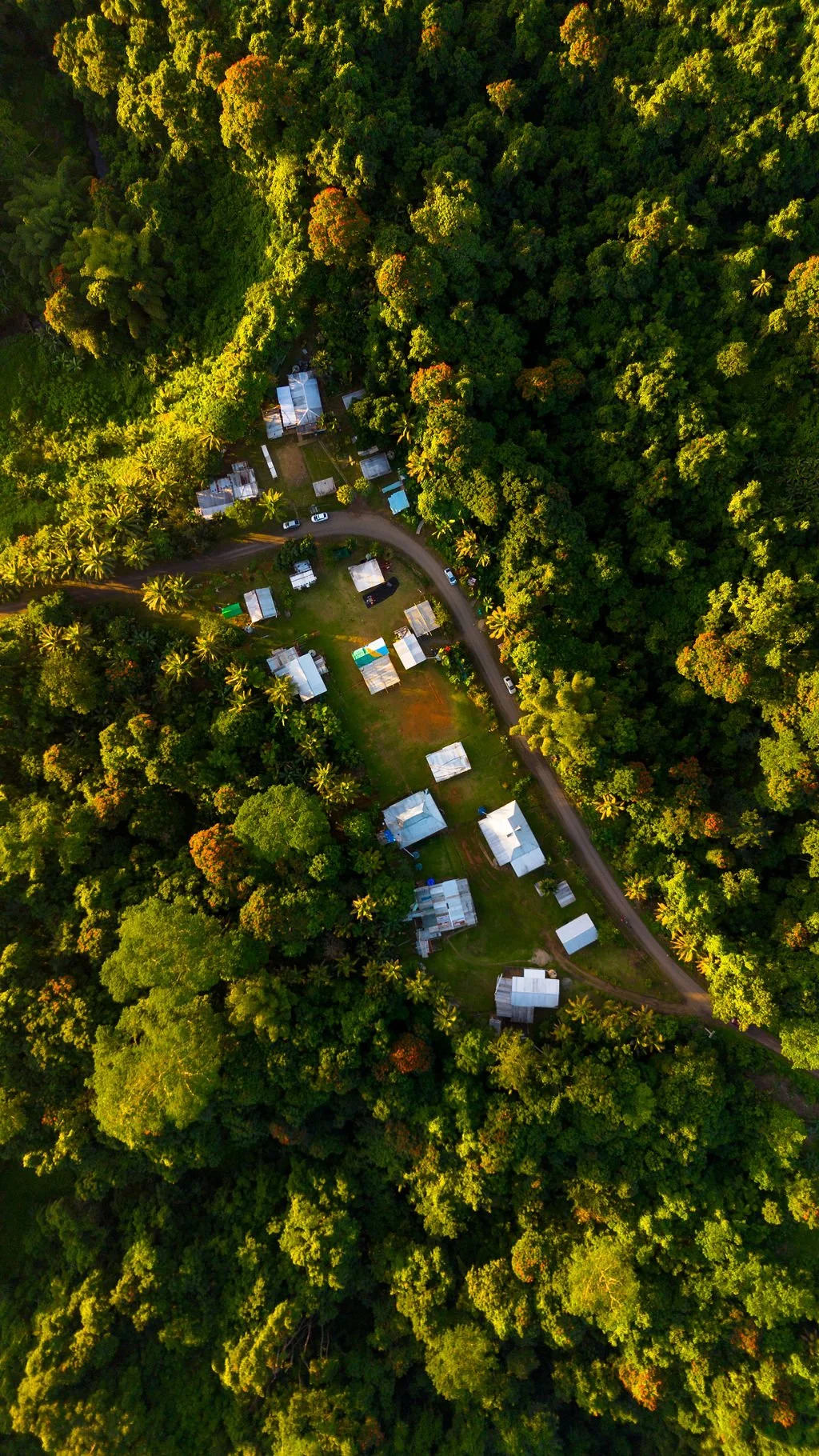
A major focus of our work is building safer, stronger infrastructure in remote communities, including cyclone-resilient health clinics, community halls, sanitation systems and water supplies, so families can continue to access essential services even after extreme weather events. This approach has included major rebuild efforts following natural disasters such as Tropical Cyclone Winston, where Think Pacific provided relief supplies and supported reconstruction of damaged community buildings including Yanuca Village Hall.
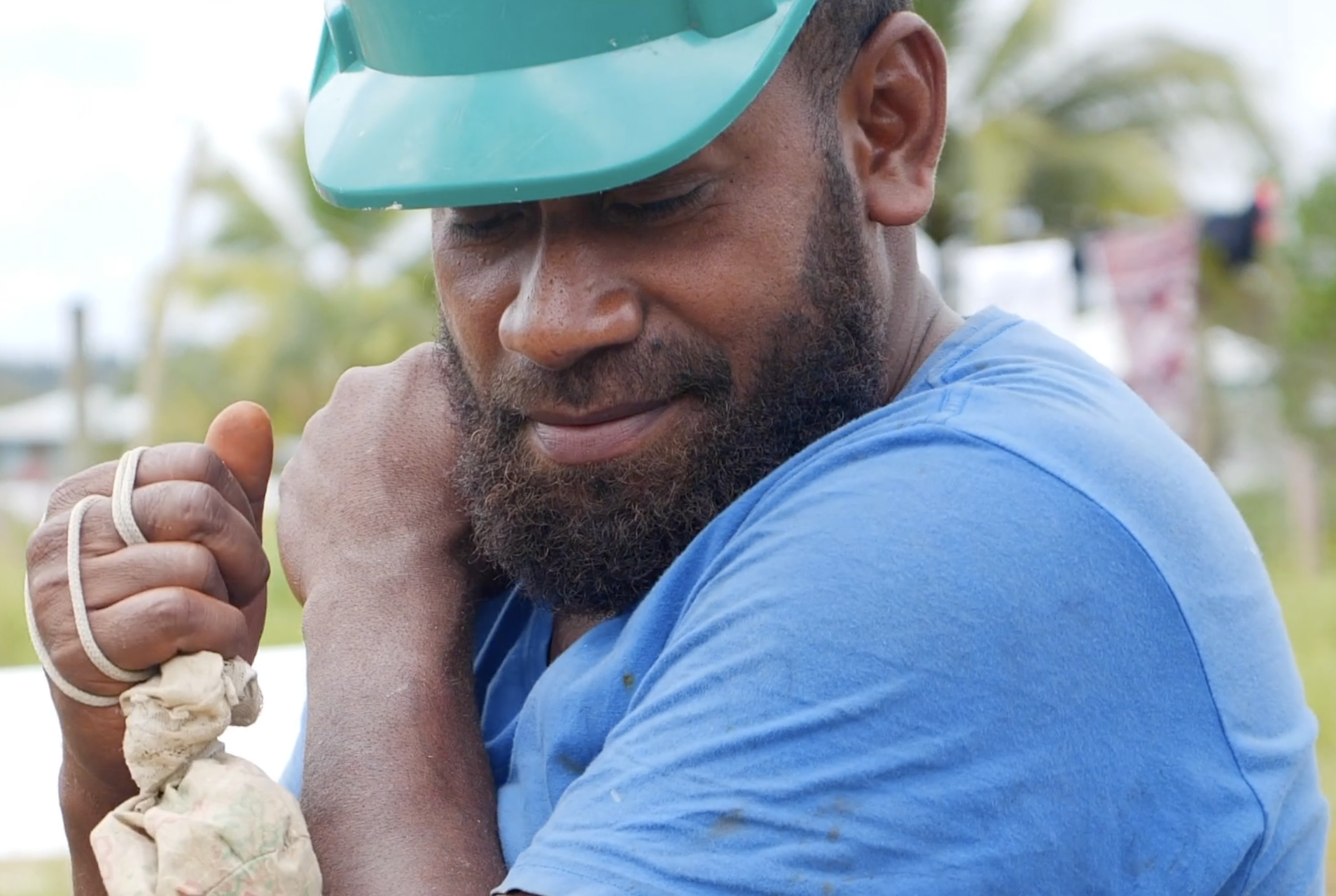
Climate Resilient Construction Training
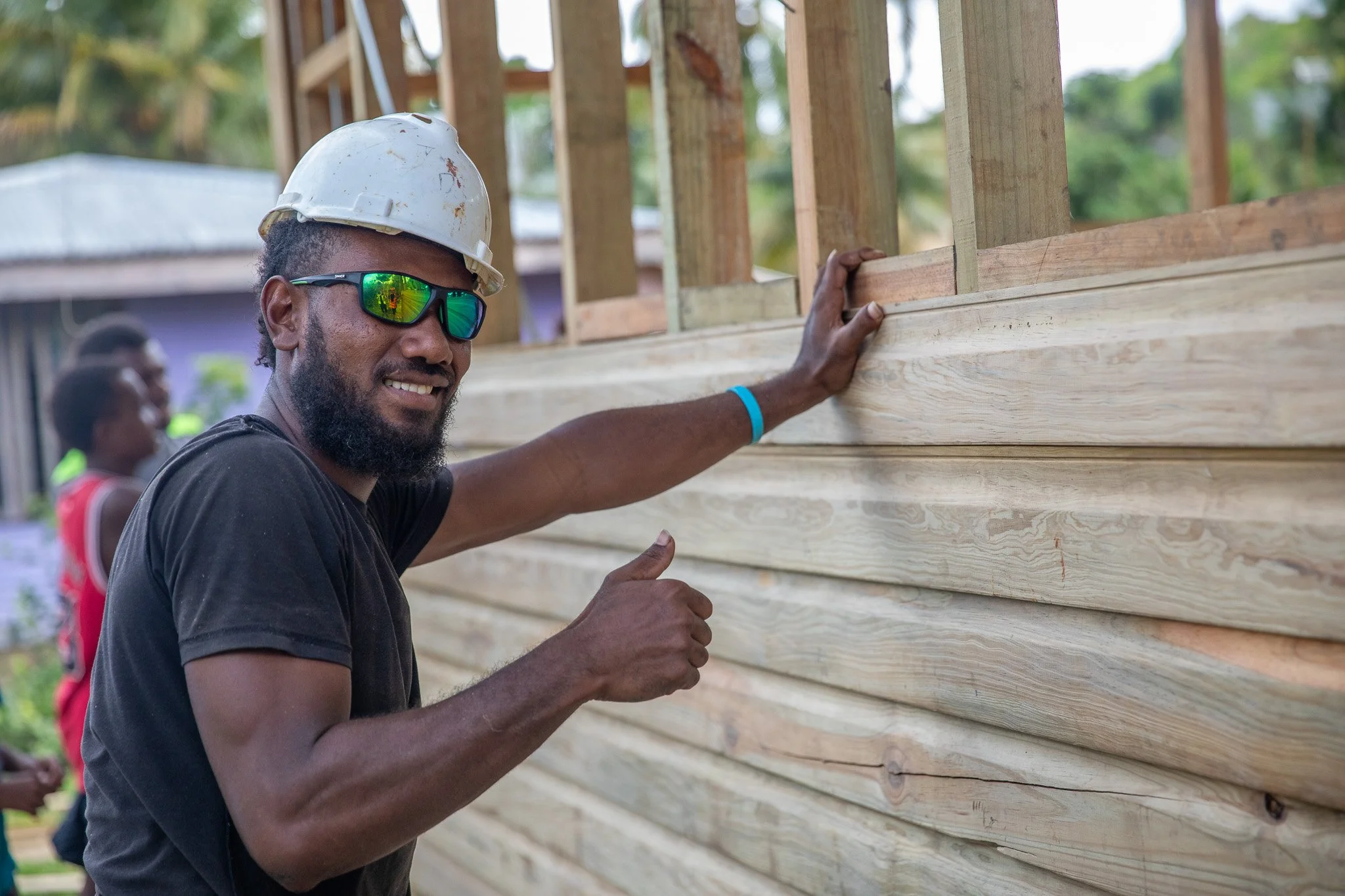
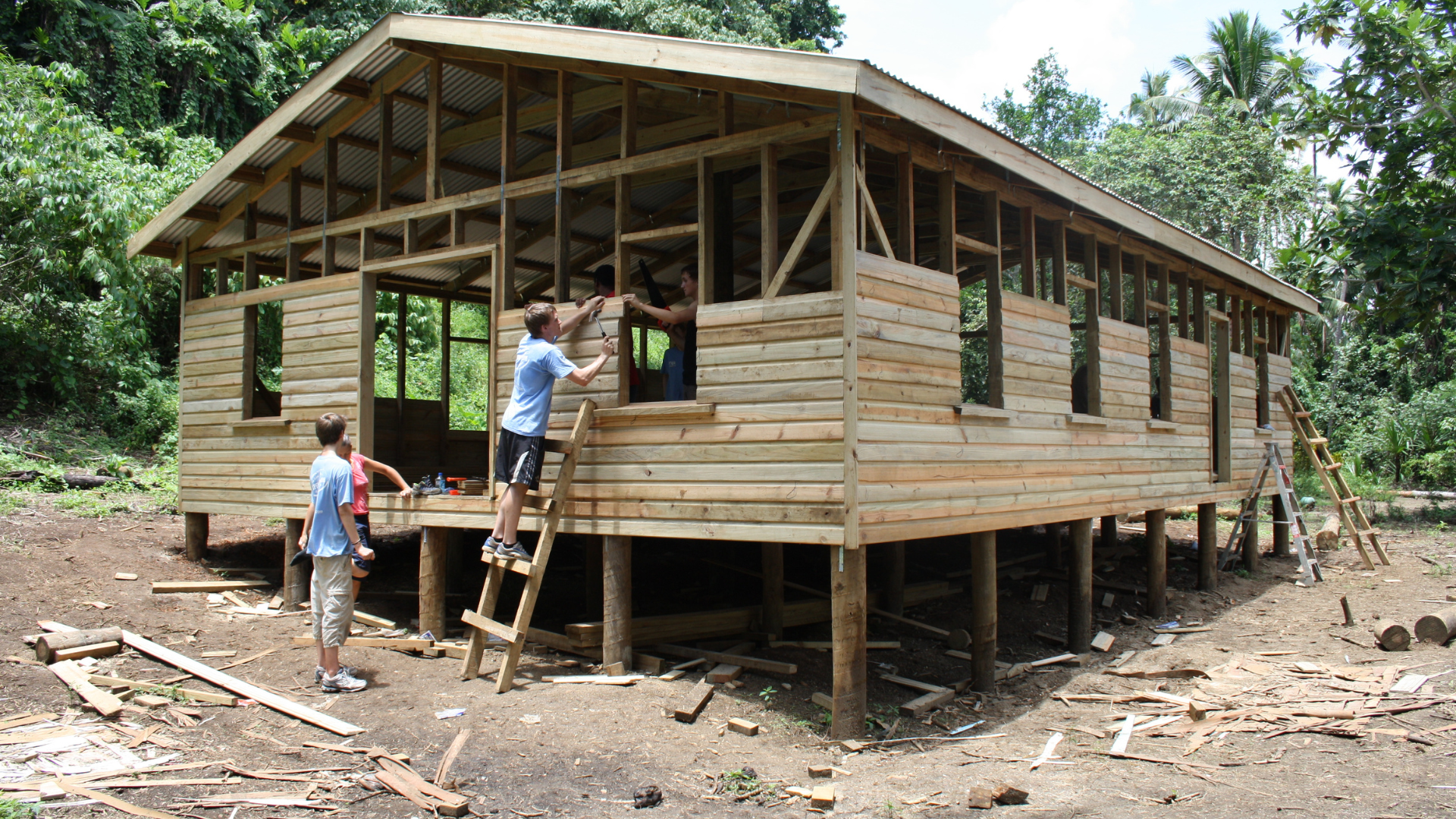
Alongside construction, we invest in skills training for rural youth, providing hands-on experience in carpentry and engineering as part of every development project.
This ensures that future maintenance, repairs and resilience planning are led within the community, not dependent on outside intervention.
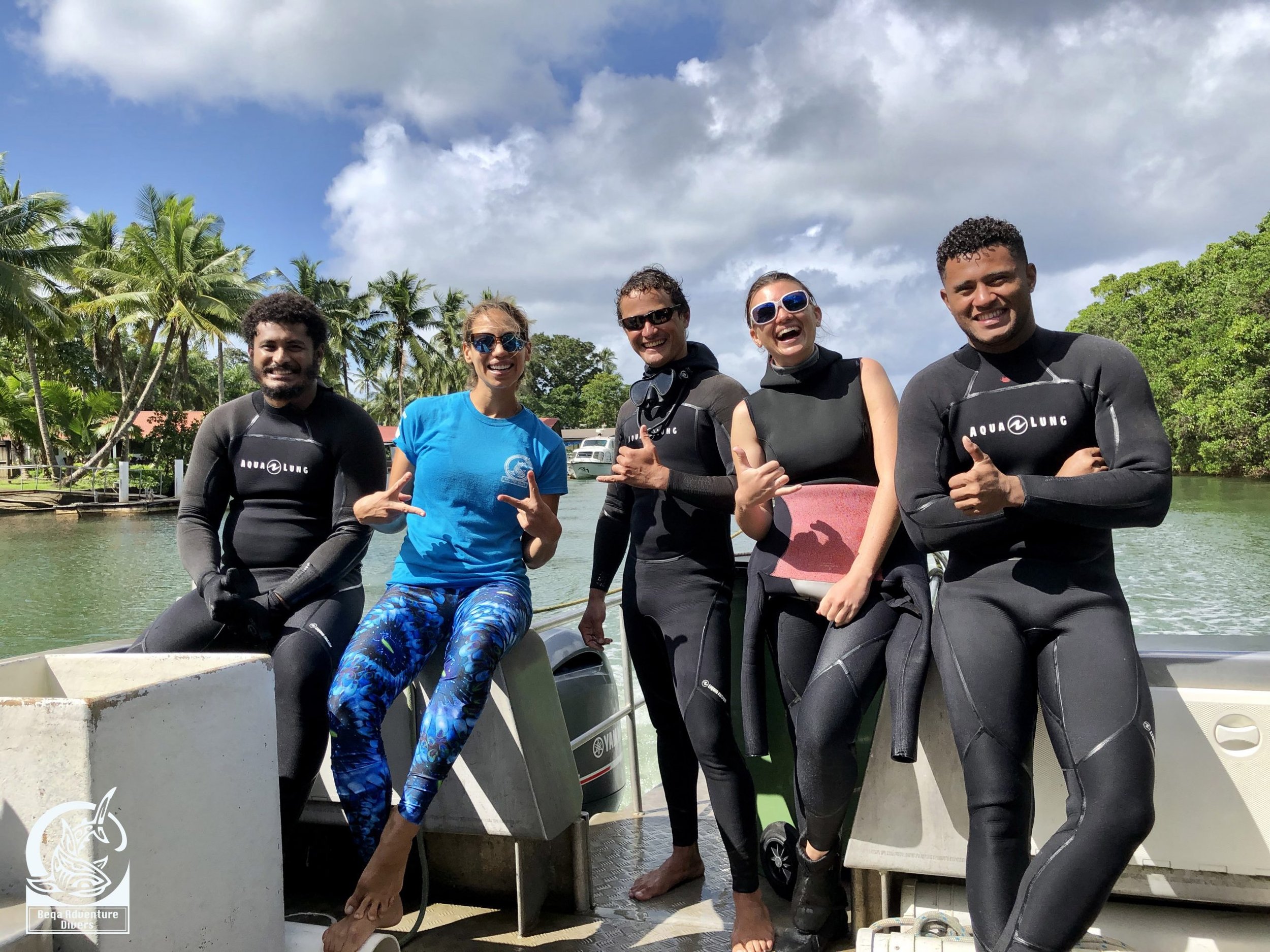
Partnerships for Impact
We also work in partnership with respected conservation organisations, such as coral restoration teams on Leleuvia Island, to involve volunteers and local groups in reef protection and environmental recovery initiatives helping sustain the ecosystems that coastal communities depend on.
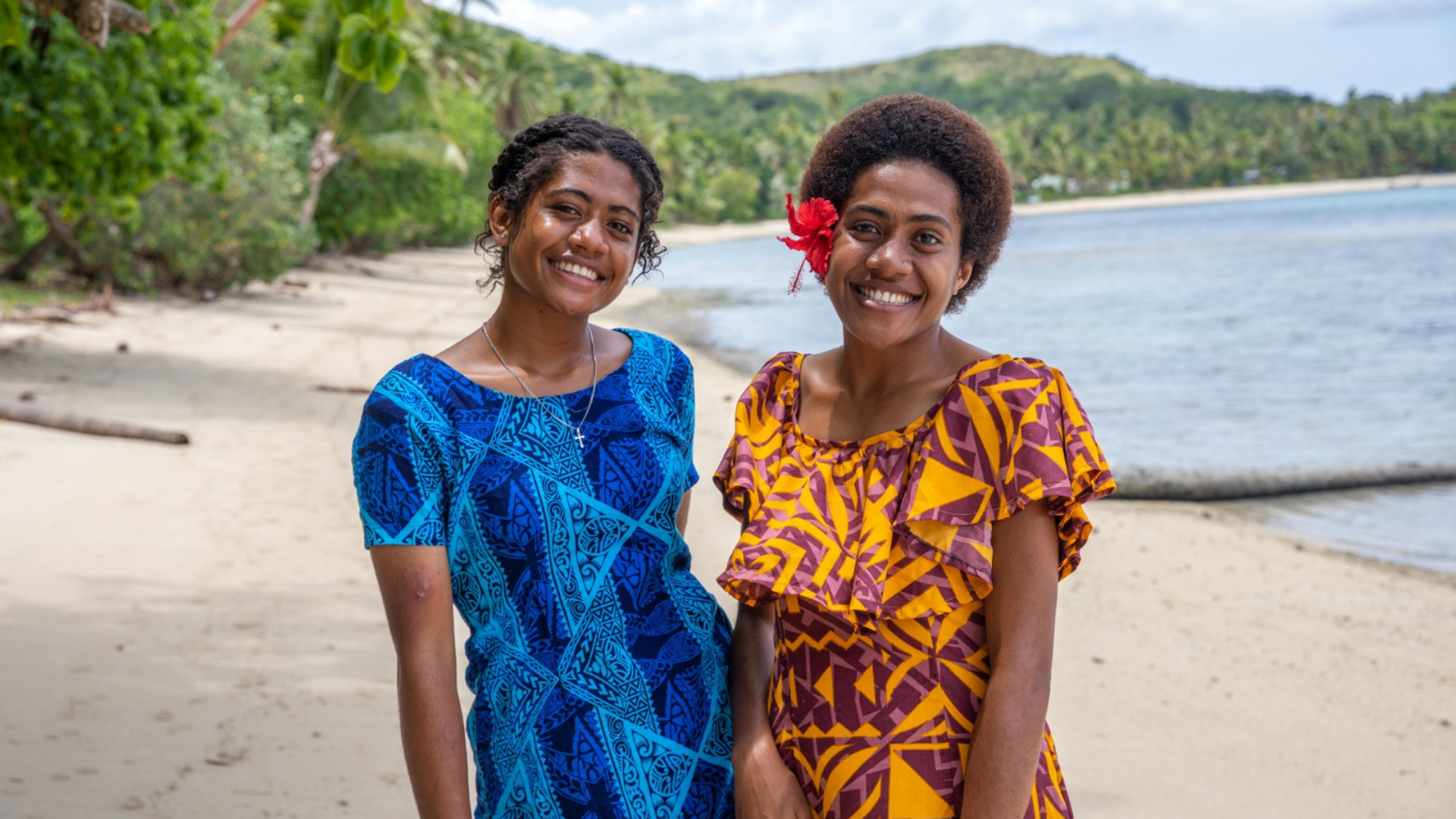
Advocacy
To build long-term resilience, we support climate education, advocacy and wellness programmes for children and youth. Through school workshops, environmental campaigns and youth leadership sessions, young Fijians learn about sustainability,
waste management, biodiversity protection, and how to respond to climate-driven challenges such as disease outbreaks and water scarcity.
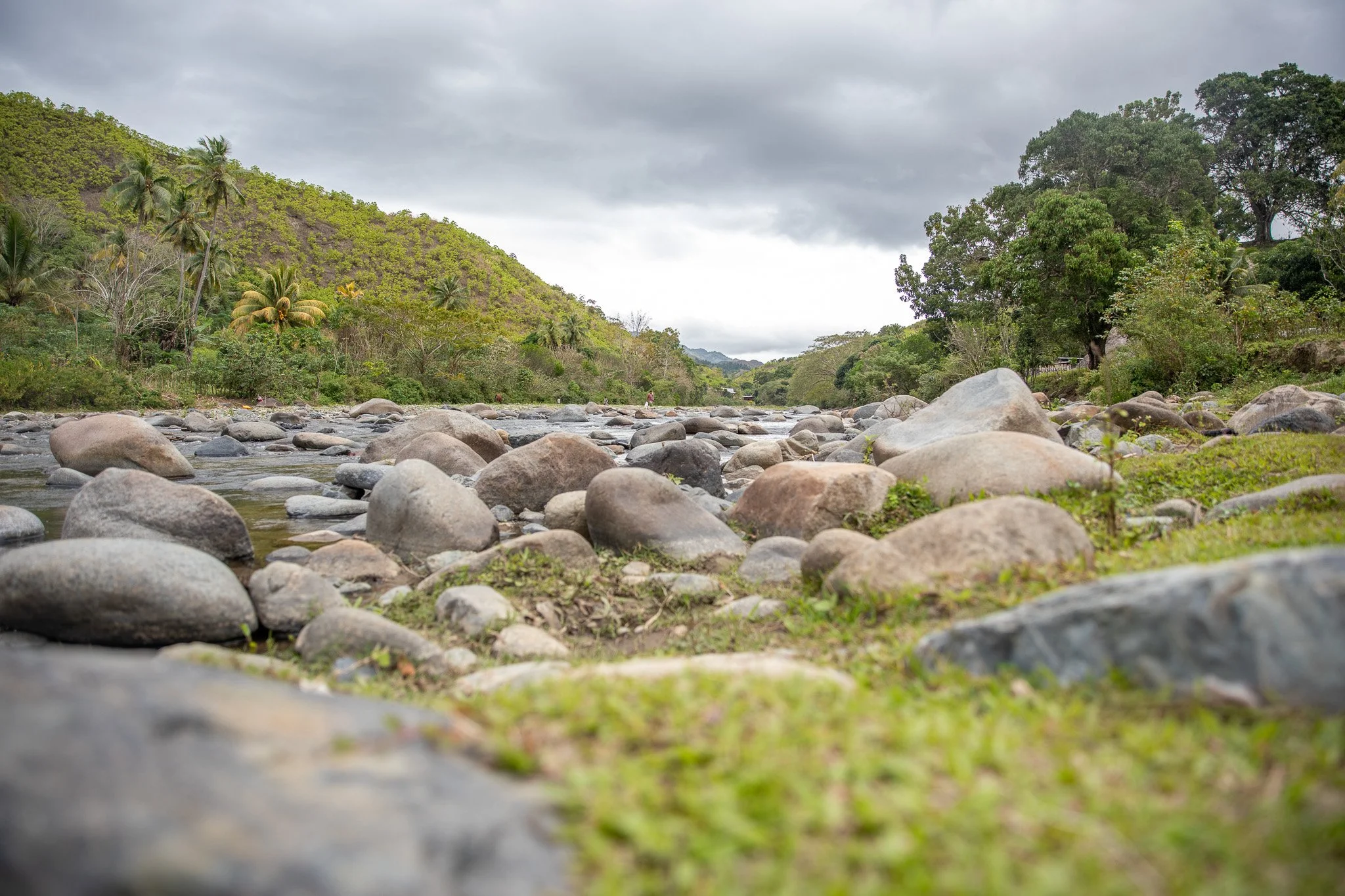
Emergency Relief
Finally, when climate-related disasters strike, the Foundation provides direct emergency relief, including food, tools, agricultural support and WASH (water, sanitation & hygiene) services across affected villages and schools in provinces such as Moturiki, Batiki, Nairai and Ra. These targeted interventions help communities recover faster and rebuild stronger.
Our Impact
Since 2009
Across Fiji’s outer islands and most remote communities, the Think Pacific Foundation is strengthening resilience to the effects of climate change. Through cyclone-resilient health facilities, skills training for rural youth, environmental education and rapid disaster recovery, our work focuses on what matters most, ensuring families can access essential services, communities can recover faster from extreme weather, and the next generation has the knowledge and confidence to protect their land and future. Guided by local priorities and national development strategies, our impact is driven by strong partnerships, embedded cultural values and investment that remains within communities.
See drop-downs for some of the highlights across the years.
-
24 community health dispensaries constructed by 2023/24
(8 completed in 2022/23)+26 additional dispensaries in delivery through 2024/25
34+ cyclone-resilient community facilities completed to date
18,000+ rural residents estimated to benefit from these facilities
64 communities currently gaining improved medical access through construction programming
Multiple climate-resilient WASH systems built across island provinces including:
Water supply projects in Savuna & Naicabecabe Think Pacific Progress Report -…
Sanitation upgrades across 18+ communities in Moturiki / Batiki / Nairai / Gau
Safe walkways & access routes added in climate-vulnerable coastal villages
191 villages across 9 provinces - coverage of Fiji’s most remote areas
Builds active across 8 provinces in 2023/24 alone
These buildings:
Reduce travel time to care by ~30 minutes on average
Allow safe storage of medicines and health supplies during cyclones
-
Up to 345 rural youth up-skilled in construction
5 youth per village build trained in cyclone-resilient carpentry techniques, with ongoing qualifications
135 youth up-skilled in 2022/23 builds alone
This contributes directly to long-term resilience and local maintenance capacity.
-
168 workshops delivered in 2022/23 promoting climate-aware decisions and hygiene behaviours
255 workshops delivered in 2023/24 including Environment & Climate modules
275 rural youth equipped with advocacy skills through empowerment programmes in 2023/24
14% increase in youth climate prevention awareness (2022/23)
-
Coral planting and reef protection initiatives delivered with Leleuvia Island scientists Think Pacific Progress Report -…
Ongoing environmental stewardship in schools & villages including:
waste management
composting
land & sea resources protection
-
Cyclone Winston: $90,965 in relief + community hall rebuild at Yanuca Village
Cyclone Harold: $8,000 in support including WASH recovery
Cyclone Yasa: $17,290 in emergency relief via Fiji Red Cross & NDMO
Rapid response interventions supporting communities in Ra, Naitasiri, Kadavu & Tailevu
Other Focus Areas
-
![]()
Rural Development
Empowering local communities by enhancing infrastructure, improving access to education and healthcare.
-
![]()
Health and Wellbeing
Strengthening community resilience and supporting the reduction of preventable diseases.
-
![]()
Youth Empowerment
Building human capital, reducing inequality, equipping the next generation with relevant skills.
-
![]()
Cultural Heritage
Language preservation, support for local arts, crafts, and cultural events, youth cultural education programs